For centuries, rosemary has been valued as more than just a fragrant culinary herb. Traditional medicine has long used it to support memory, improve circulation, and promote overall wellness. In recent years, however, one particular use has captured the attention of researchers, dermatologists, beauty professionals, and millions of people looking for natural hair care solutions: rosemary oil for hair growth.
From viral social media testimonials to scientific studies, rosemary essential oil has become one of the most widely discussed natural ingredients for supporting healthier, thicker-looking hair. Whether you’re experiencing increased hair shedding, thinning edges, slow hair growth, or simply want to maintain a healthy scalp, you’ve likely wondered whether rosemary oil lives up to its reputation.
The answer is encouraging—but it also comes with realistic expectations.
Rosemary oil is not a miracle cure that can reverse every type of hair loss overnight. Hair growth is a gradual biological process influenced by genetics, hormones, nutrition, overall health, and hair care practices. No single ingredient can overcome all of these factors. However, evidence suggests that rosemary oil may support healthier hair by improving scalp conditions, encouraging better circulation around hair follicles, and helping reduce inflammation that can interfere with normal hair growth.
For individuals who prefer a plant-based approach to hair care, rosemary oil offers a promising option that can be incorporated into a well-rounded routine.
In this comprehensive guide, you’ll discover:
- What rosemary oil is and why it has become so popular.
- The science behind rosemary oil for hair growth.
- The most important rosemary oil benefits for your hair and scalp.
- Whether it can support hair regrowth.
- How scalp massage enhances its effectiveness.
- The best ways to use rosemary as part of your hair oil routine.
- Practical tips to maximize results while avoiding common mistakes.
By the end of this article, you’ll have a clear understanding of how rosemary oil fits into a healthy hair care regimen and whether it’s the right choice for your goals.

What Is Rosemary Oil?
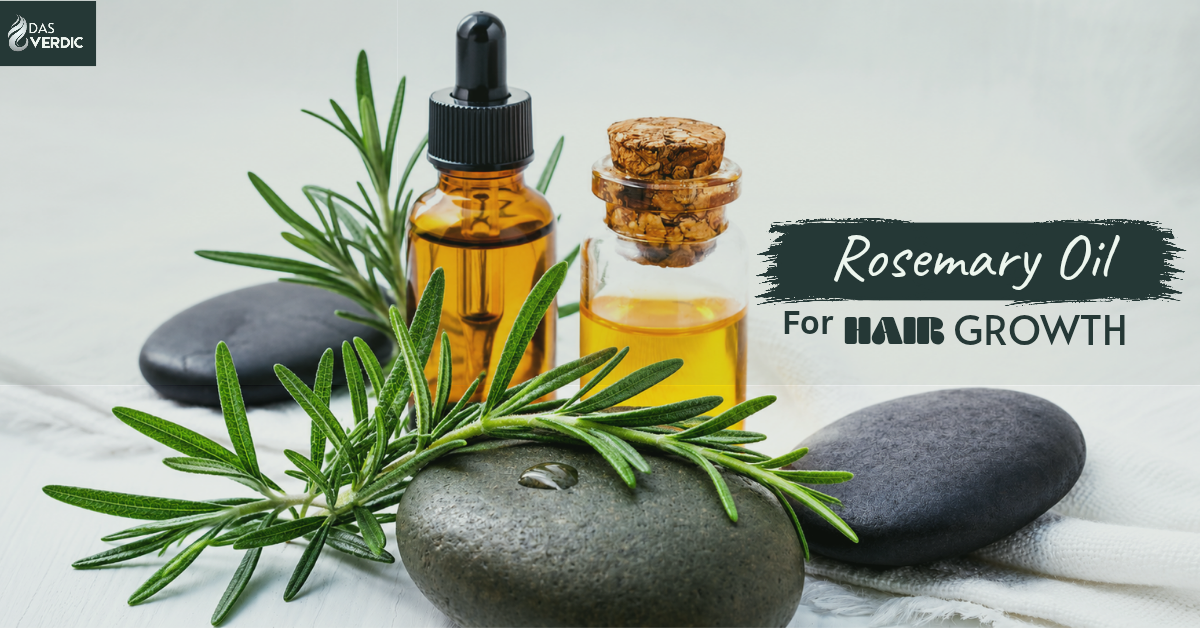
Rosemary oil is an essential oil extracted from the leaves and flowering tops of the rosemary plant (Rosmarinus officinalis), an evergreen herb native to the Mediterranean region. Steam distillation is the most common extraction method, producing a highly concentrated oil that contains a variety of naturally occurring plant compounds.
Unlike cooking oils, essential oils are extremely potent. Just a few drops contain concentrated aromatic molecules, which is why rosemary essential oil should always be diluted with a carrier oil before being applied to the scalp.
Some of the key compounds found in rosemary oil include:
- Carnosic acid, which has antioxidant properties and may help protect tissues from oxidative stress.
- Rosmarinic acid, known for its anti-inflammatory effects.
- 1,8-Cineole (Eucalyptol), which contributes to the oil’s refreshing aroma.
- Camphor, a compound that creates a cooling sensation and may stimulate the scalp.
- Alpha-pinene, which has antioxidant and antimicrobial properties.
Together, these naturally occurring compounds contribute to many of the rosemary oil benefits that make it a valuable addition to modern hair care routines.
Why Rosemary Oil Has Become So Popular?
Natural hair care has experienced remarkable growth over the past decade. Consumers are increasingly looking for products that combine effective ingredients with gentle formulations, especially when dealing with hair thinning or scalp concerns.
Several factors have contributed to rosemary oil’s popularity:
Growing Scientific Interest
While rosemary has been used traditionally for centuries, recent research has sparked renewed interest in its potential role in supporting healthier hair. Scientists continue to investigate how rosemary oil interacts with hair follicles and scalp tissue, providing a stronger evidence base than anecdotal claims alone.
A Preference for Natural Solutions
Many people want to explore botanical ingredients before turning to more intensive treatments. Rosemary oil appeals to those seeking a simple addition to their existing hair care routine.
Versatility
Rosemary oil can be incorporated into a variety of products, including:
- Hair oils
- Scalp serums
- Leave-in treatments
- Deep conditioning masks
- Shampoos
- Scalp sprays
Its versatility makes it suitable for many hair types, including straight, wavy, curly, coily, and 4C hair.
Focus on Scalp Health
Modern hair care emphasizes that healthy hair starts with a healthy scalp. Instead of focusing only on the strands, more people are adopting routines that nourish the scalp itself. Rosemary oil aligns well with this approach by supporting an environment where hair follicles can function optimally.
The Science Behind Rosemary Oil for Hair Growth
Understanding how hair grows helps explain why rosemary oil for hair growth has attracted so much attention.
Every strand of hair grows from a tiny structure beneath the skin called a hair follicle. Hair follicles repeatedly cycle through three main stages:
Anagen Phase (Growth)
This is the active growth stage, during which hair cells divide rapidly. The anagen phase can last several years, and the longer it lasts, the longer your hair can grow.
Catagen Phase (Transition)
During this short phase, growth slows and the follicle begins to shrink.
Telogen Phase (Resting)
Eventually, the hair is shed and the follicle prepares to produce a new strand.
Healthy hair depends on follicles moving through these stages efficiently. Factors such as chronic inflammation, poor circulation, nutritional deficiencies, stress, or certain medical conditions can disrupt this cycle and contribute to excessive shedding or slower growth.
Rosemary oil is believed to support several of these processes.
Improved Scalp Circulation
One of the leading theories is that rosemary oil encourages healthy blood circulation around the scalp.
Hair follicles require a continuous supply of oxygen and nutrients delivered through tiny blood vessels. Improved circulation may help create an environment that supports stronger, healthier hair growth.
Although rosemary oil does not “feed” hair directly, better blood flow may allow follicles to function more efficiently.
Reduced Inflammation
Inflammation is the body’s natural response to injury or irritation, but chronic inflammation around the scalp can interfere with healthy follicle function.
Rosemary oil contains plant compounds with anti-inflammatory properties that may help soothe the scalp. A calmer scalp environment can support healthier hair over time, especially for individuals dealing with mild irritation.
Antioxidant Protection
Hair follicles are exposed to oxidative stress caused by pollution, UV radiation, and normal metabolic processes.
Antioxidants found in rosemary oil may help reduce oxidative damage, which is thought to contribute to healthier follicles and stronger strands over the long term.
Support for Hair Regrowth
Many people searching for hair regrowth solutions are interested in whether rosemary oil can reactivate dormant follicles.
Current evidence suggests that rosemary oil may support regrowth in some situations where follicles remain viable but have become less active. However, results vary depending on the underlying cause of hair thinning, individual health factors, and consistency of use.
It is important to understand that rosemary oil cannot restore hair in areas where follicles have been permanently destroyed. Instead, its greatest potential lies in supporting existing follicles and helping maintain a healthy scalp environment.
What Does the Research Say?
Interest in rosemary oil has grown because scientific studies have explored its effects on hair health.
One frequently cited clinical study compared rosemary oil with a commonly used topical hair-loss treatment in people experiencing hereditary hair thinning. After several months of consistent use, participants in both groups experienced improvements in hair count, while those using rosemary oil reported less scalp itching.
Although this does not prove that rosemary oil is a replacement for medical treatments, it suggests that it may be a useful option for individuals looking to incorporate a natural ingredient into their hair care routine.
Researchers continue to study rosemary oil to better understand how its bioactive compounds influence scalp health, follicle function, and long-term hair growth outcomes.
Why Consistency Matters
One of the biggest misconceptions about natural hair care is expecting dramatic results within a few days.
Hair grows slowly—typically about 1 to 1.5 centimeters (0.4 to 0.6 inches) each month under normal conditions. Even if a product supports healthier follicles, visible changes require patience.
A consistent routine that includes a properly diluted rosemary hair oil, regular scalp massage, balanced nutrition, and gentle hair care practices is far more likely to produce noticeable improvements than occasional or inconsistent use.
Think of rosemary oil as part of a long-term strategy for healthier hair rather than a quick fix. When combined with good scalp care and realistic expectations, it can become a valuable addition to your overall hair wellness routine.
The Top Rosemary Oil Benefits for Hair and Scalp
One of the reasons rosemary oil for hair growth has become so popular is that its potential advantages extend beyond simply encouraging longer hair. A healthy scalp is the foundation of healthy hair, and rosemary oil supports several aspects of scalp and strand health that can contribute to stronger, fuller-looking hair over time.
Let’s explore the most important rosemary oil benefits and why they matter.
- Supports a Healthy Hair Growth Cycle
Every hair follicle follows a natural growth cycle consisting of growth (anagen), transition (catagen), and resting (telogen) phases.
When this cycle is disrupted by stress, inflammation, poor scalp health, or hormonal changes, hair may shed more quickly or grow more slowly.
Rosemary oil may help create an environment that supports the normal functioning of hair follicles, allowing them to remain healthier throughout the growth cycle. While it does not change your genetics or permanently prevent hair loss, maintaining healthier follicles may contribute to improved hair density over time.
- Encourages Fuller-Looking Hair
Many people use rosemary oil because they notice their hair appears thicker after several months of consistent use.
This doesn’t necessarily mean each strand becomes dramatically larger. Instead, healthier follicles may produce stronger strands while reduced shedding can make the hair appear fuller overall.
For people with naturally fine or thinning hair, even modest improvements in hair density can create a noticeable difference.
- Helps Reduce Hair loss and hair Shedding
Seeing excessive hair in your brush or shower drain can be concerning.
Although some daily shedding is perfectly normal, increased hair fall may indicate that your hair or scalp needs additional care.
One of the lesser-known but scientifically backed rosemary oil benefits is its potential role in supporting healthier follicles, which may reduce unnecessary shedding over time when used consistently as part of a balanced routine.
- Promotes a Healthier Scalp
Healthy hair begins with healthy skin. The scalp contains thousands of hair follicles, sebaceous glands, and a complex microbiome that all work together to support hair growth. Rosemary oil contains naturally occurring compounds with antimicrobial and antioxidant properties that may help maintain a cleaner, healthier scalp environment. A well-balanced scalp is generally better equipped to support strong, healthy hair.
- Helps Soothe Mild Scalp Irritation
Dryness, tightness, and occasional itching can make maintaining healthy hair more difficult. When diluted correctly, rosemary oil may help soothe mild scalp discomfort thanks to its anti-inflammatory plant compounds. However, it is important to discontinue use if irritation develops, especially if you have sensitive skin or an allergy to essential oils.
- Adds Natural Shine
Healthy hair naturally reflects more light. By improving scalp health and supporting stronger strands, rosemary oil may contribute to hair that appears smoother, shinier, and more vibrant over time.
Can Rosemary Oil Support Hair Regrowth?
One of the most common questions people ask is whether rosemary oil can promote hair regrowth.
The answer depends largely on the cause of the hair loss.
If hair follicles are still alive but producing thinner, weaker strands, rosemary oil may help create healthier conditions for those follicles to function more effectively.
However, if follicles have been permanently damaged or destroyed—such as in certain forms of scarring alopecia—rosemary oil cannot regenerate them.
This distinction is important because it helps set realistic expectations.
Rather than viewing rosemary oil as a miracle cure, it is more accurate to think of it as a supportive ingredient that encourages healthier scalp function and stronger hair over time.

How to Use Rosemary Oil for Hair Growth
Using rosemary oil correctly is just as important as choosing a high-quality product.
Because essential oils are highly concentrated, they should never be applied directly to the scalp without dilution.
Instead, mix rosemary essential oil with a suitable carrier oil.
Excellent carrier oils include:
- Jojoba oil
- Argan oil
- Grapeseed oil
- Sweet almond oil
- Coconut oil
- Fractionated coconut oil
A common guideline is to add 3–5 drops of rosemary essential oil to one tablespoon (15 ml) of carrier oil.
This creates a dilution that is generally suitable for most adults while reducing the risk of irritation.
Why Carrier Oils Matter
Carrier oils do far more than dilute essential oils.
They also nourish the scalp and hair with beneficial fatty acids, vitamins, and antioxidants.
Jojoba Oil
Closely resembles the scalp’s natural sebum, making it suitable for most hair types.
Argan Oil
Rich in vitamin E and antioxidants, ideal for improving shine and softness.
Coconut Oil
Helps reduce protein loss in hair strands and works well for thicker hair types.
Sweet Almond Oil
Lightweight and moisturizing, making it a popular choice for dry hair.
Grapeseed Oil
Excellent for people who prefer lighter oils that won’t weigh the hair down.
Choosing the right carrier oil allows you to customize your hair oil blend according to your hair type and goals.
The Importance of Scalp Massage
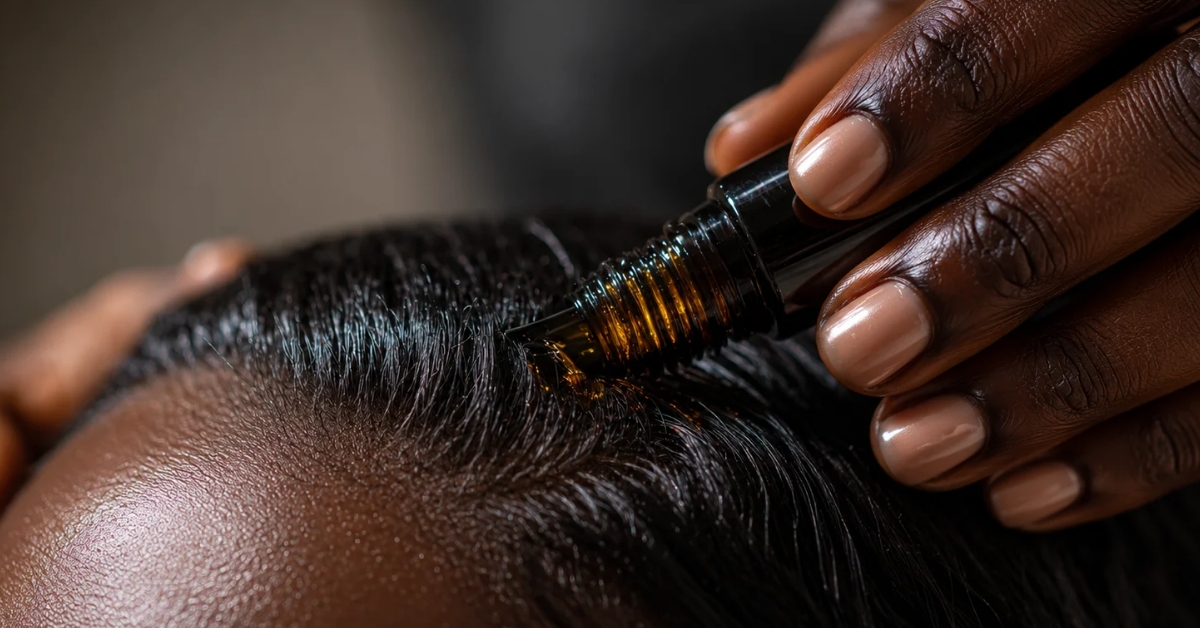
Combining rosemary oil with regular scalp massage may provide additional benefits.
A gentle scalp massage helps distribute the oil evenly while stimulating blood flow to the scalp.
How to Perform a Scalp Massage:
- Apply the diluted rosemary oil to different sections of your scalp.
- Using your fingertips—not your nails—massage in slow circular motions.
- Begin at the front hairline.
- Work toward the crown.
- Finish at the back of the head.
Aim to massage your scalp for 5–10 minutes.
This simple habit can also be relaxing and may help reduce stress, which is another factor that can influence hair health.
How Often Should You Use Rosemary Oil?
Consistency is more important than frequency.
For most people:
- 2–3 times per week is an excellent starting point.
- Individuals with dry scalps may choose to leave the oil on overnight before washing.
- Those with oilier scalps may prefer applying it 30–60 minutes before shampooing.
Using excessive amounts of oil does not produce faster results.
Instead, focus on building a routine that you can maintain consistently over several months.
Hair Oil Blends That Pair Well with Rosemary
Rosemary oil works well alongside several other botanical oils.
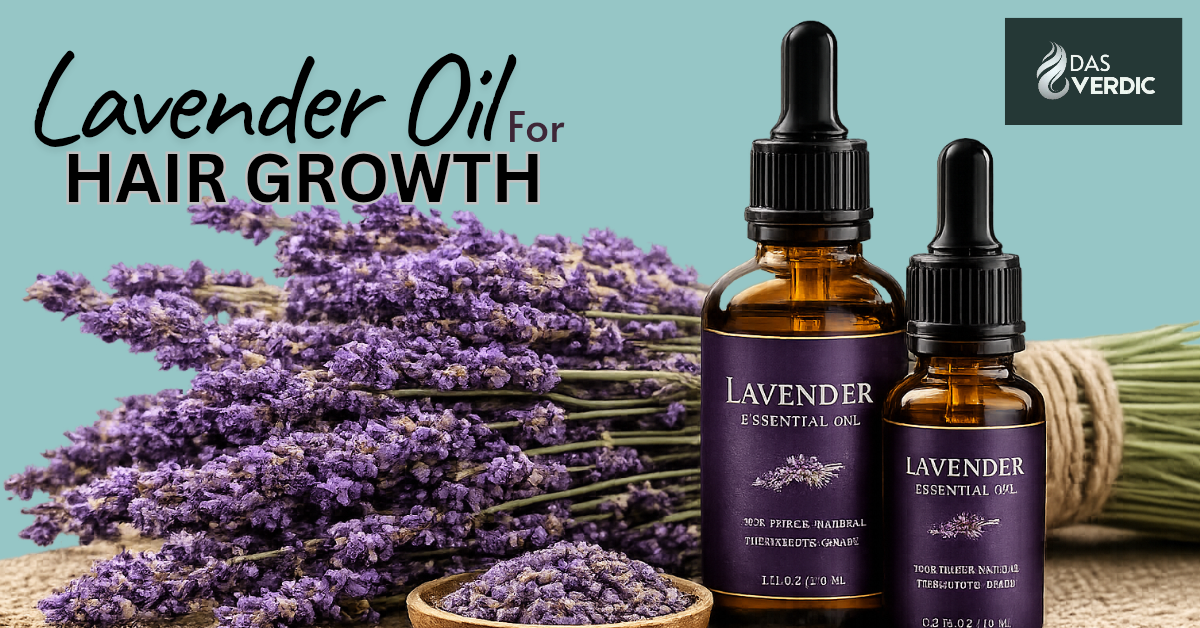
Rosemary + Lavender Oil
This combination supports scalp comfort while adding a pleasant natural fragrance.
Rosemary + Castor Oil
A popular blend for individuals seeking thicker-looking hair.
Rosemary + Peppermint Oil
Provides a cooling sensation that many people enjoy during scalp massage.
Rosemary + Argan Oil
Excellent for improving softness and reducing frizz.
Rosemary + Jojoba Oil
Ideal for people with sensitive or oily scalps.
When blending multiple essential oils, remember that the total concentration should remain appropriately diluted.
Common Mistakes to Avoid
Many people give up on rosemary oil simply because they unknowingly make avoidable mistakes.
Applying Undiluted Essential Oil
Pure rosemary essential oil can irritate the scalp. Always dilute it before use.
Expecting Overnight Results
Hair grows slowly. Visible improvements often require several months of consistent use.
Using Too Much Oil
More oil does not equal faster hair growth. Applying excessive oil may leave residue that is difficult to remove.
Skipping Scalp Massage
Although optional, regular scalp massage may enhance your overall routine by improving product distribution and encouraging healthy circulation.
Using Poor-Quality Products
Choose high-quality rosemary essential oil from reputable manufacturers. Avoid products that contain unnecessary fillers or synthetic fragrances.
Ignoring Overall Hair Health
No hair oil can compensate for poor nutrition, chronic stress, harsh styling practices, or untreated medical conditions. Healthy hair is best supported through a combination of good scalp care, balanced nutrition, adequate hydration, quality sleep, and gentle hair handling.
Who Can Benefit Most from Rosemary Oil?
Rosemary oil may be especially useful for individuals who:
- Experience mild to moderate hair thinning.
- Want to support healthier scalp function.
- Have dry or flaky scalps.
- Prefer plant-based hair care.
- Want to maintain healthy natural hair.
- Wear protective hairstyles and wish to care for their scalp between styles.
- Have curly, coily, or 4C hair and are looking for a lightweight scalp treatment.
People with severe or sudden hair loss should consult a qualified healthcare professional to determine the underlying cause before relying solely on natural remedies.
Building a Complete Hair Growth Routine
While rosemary oil for hair growth can be a valuable addition to your regimen, the best results come from combining it with healthy habits.
An effective routine should include:
- Gentle cleansing to keep the scalp clean.
- Regular deep conditioning to maintain moisture.
- Consistent scalp massage.
- Protective styling that minimizes breakage.
- Adequate protein and iron intake through a balanced diet.
- Limiting excessive heat styling and harsh chemical treatments.
- Protecting hair at night with a satin bonnet or satin pillowcase.
Together, these habits help create an environment where healthy hair can thrive.
What Does Scientific Research Really Say About Rosemary Oil?
One of the reasons rosemary oil for hair growth has gained widespread attention is that its popularity is supported by more than anecdotal success stories. Researchers have explored its effects on scalp health and hair growth, providing encouraging evidence that it may be a valuable addition to a healthy hair care routine.
Among the most frequently discussed studies is a clinical trial that compared rosemary oil with a commonly used topical treatment for hereditary hair thinning. After several months of consistent use, participants using rosemary oil experienced improvements in hair count comparable to the comparison treatment. Interestingly, those using rosemary oil also reported less scalp itching, suggesting it may be gentler for some individuals.
While this research is promising, it is important to interpret the findings carefully. One study does not mean rosemary oil is a guaranteed solution for every type of hair loss. Hair growth is influenced by genetics, hormones, nutrition, stress, age, and overall health. Rosemary oil works best as part of a comprehensive hair care routine rather than as a standalone cure.
Researchers continue to investigate how rosemary oil’s natural compounds—particularly carnosic acid and rosmarinic acid—may help protect hair follicles from oxidative stress and inflammation. These effects could contribute to healthier follicle function over time, although more high-quality research is still needed.
Rosemary Oil vs. Other Popular Hair Oils
Many natural oils are promoted for healthier hair, but each offers unique advantages. Understanding their strengths can help you choose the right combination for your needs.
Rosemary Oil
Best for:
- Supporting scalp health
- Encouraging healthy-looking hair growth
- Reducing excessive shedding
- Improving circulation around hair follicles
Lavender Oil
Lavender oil is valued for its calming aroma and soothing properties. It is often included in hair care routines because it may help maintain a healthy scalp while creating a relaxing self-care experience.
Best for:
- Sensitive scalps
- Dry scalp care
- Relaxing scalp massage
- Complementing rosemary oil in blended treatments
Castor Oil
Castor oil is thicker than most carrier oils and is rich in ricinoleic acid. Many people use it to help reduce moisture loss and improve the appearance of thicker, shinier hair.
Best for:
- Dry hair
- Moisture retention
- Protective hairstyles
- Hair oil blends
Argan Oil
Often called “liquid gold,” argan oil is rich in vitamin E and antioxidants that help smooth the hair cuticle.
Best for:
- Frizz reduction
- Heat styling protection
- Improving softness
- Adding shine
Coconut Oil
Coconut oil is one of the most researched natural oils for hair care. Its unique structure allows it to penetrate the hair shaft more effectively than many other oils, helping reduce protein loss in some hair types.
Best for:
- Dry or damaged hair
- Deep conditioning
- Reducing breakage
- Pre-shampoo treatments
Rather than choosing only one oil, many people combine rosemary oil with nourishing carrier oils such as jojoba, argan, or coconut oil to create a balanced hair oil blend tailored to their hair type.
How Long Does Rosemary Oil Take to Work?
One of the biggest reasons people become discouraged is expecting visible changes within a few weeks. Healthy hair growth takes time.
On average, hair grows approximately 1 to 1.5 centimeters (0.4–0.6 inches) each month. Because follicles need time to respond to improved scalp conditions, noticeable changes often occur gradually.
Although every individual is different, a realistic timeline may look like this:
Weeks 1–4
During the first month, many people notice improvements in scalp comfort rather than visible hair growth. The scalp may feel less dry or itchy, and regular scalp massage can become an enjoyable part of a self-care routine.
Months 2–3
With consistent application, some individuals begin noticing reduced daily shedding. Hair may also appear healthier, smoother, and easier to manage due to improved scalp care and regular moisturizing.
Months 4–6
This is often the stage when improvements in hair thickness or fullness become more noticeable for people who respond well to rosemary oil. New growth around the hairline or thinning areas may become easier to observe, although results vary widely between individuals.
Remember that genetics, age, overall health, nutrition, and styling habits all influence outcomes. Patience and consistency remain essential.
Is Rosemary Oil Right for Your Hair Type?
One of the advantages of rosemary oil is its versatility. When properly diluted, it can be incorporated into routines for many different hair textures and styles.
Straight Hair
Rosemary oil can be applied as a lightweight pre-shampoo scalp treatment to support scalp health without leaving heavy residue.
Wavy Hair
People with wavy hair often benefit from lightweight carrier oils such as jojoba or grapeseed oil, which moisturize without weighing the hair down.
Curly Hair
Curly hair naturally tends to be drier because scalp oils travel less easily along the twists and bends of each strand. Rosemary oil paired with a nourishing carrier oil can support scalp care while complementing moisturizing routines.
Coily and 4C Hair
Individuals with coily or 4C hair often prioritize moisture retention and protective styling. Incorporating diluted rosemary oil into regular scalp care can help maintain a healthy scalp beneath braids, twists, wigs, or other low-manipulation styles. Pairing rosemary oil with a moisturizing routine and gentle handling can further support healthy-looking hair over time.
No matter your hair type, remember that rosemary oil is most effective when used consistently as part of an overall routine that includes cleansing, conditioning, hydration, and protection from unnecessary breakage.
Frequently Asked Questions About Rosemary Oil for Hair Growth
As interest in rosemary oil for hair growth continues to grow, many people have similar questions about how to use it safely and effectively. Below are answers to some of the most common concerns.
Can Rosemary Oil Regrow Lost Hair?
Rosemary oil may support hair regrowth in individuals whose hair follicles are still active but producing thinner or weaker strands. By promoting a healthier scalp environment and improving circulation around the follicles, rosemary oil may encourage stronger, healthier-looking hair over time.
However, rosemary oil is not a cure for every type of hair loss. Conditions involving permanent follicle damage or scarring generally require evaluation and treatment by a qualified healthcare professional.
How Often Should I Use Rosemary Oil?
For most people, using diluted rosemary oil two to four times per week is sufficient.
Using it more frequently does not necessarily produce faster results. Hair growth is a gradual process, and consistency is far more important than frequency.
Can I Leave Rosemary Oil on Overnight?
Yes. Many people leave diluted rosemary oil on the scalp overnight before washing it out the following morning.
If you’re trying this for the first time, start with a shorter treatment to ensure your scalp tolerates the oil well.
Should Rosemary Oil Be Applied to Wet or Dry Hair?
For scalp treatments, rosemary oil is generally applied directly to a clean or lightly soiled scalp rather than to soaking wet hair.
The focus should be on nourishing the scalp, where healthy hair begins.
Can Rosemary Oil Be Used Every Day?
Daily use is not necessary for most people.
Overusing any hair oil may lead to buildup on the scalp or hair, making cleansing more difficult.
Is Rosemary Oil Safe for Color-Treated Hair?
When properly diluted, rosemary oil is generally considered suitable for most color-treated hair.
Because individual products and hair conditions vary, perform a patch test and monitor how your hair responds.
Expert Tips for Maximizing Results
If your goal is healthier, fuller-looking hair, rosemary oil works best as part of a complete hair care routine rather than as a standalone solution.
Here are several practical tips that can help you get the most from your routine.
Choose High-Quality Rosemary Essential Oil
Look for products that list Rosmarinus officinalis as the botanical name and contain pure rosemary essential oil without unnecessary fillers or synthetic fragrances.
Never Skip Dilution
Essential oils are highly concentrated.
Always mix rosemary oil with a suitable carrier oil such as jojoba, argan, sweet almond, grapeseed, or coconut oil before applying it to your scalp.
Make Scalp Massage a Habit
A gentle scalp massage for five to ten minutes during each application helps distribute the oil evenly and turns your hair care routine into a relaxing self-care ritual.
Protect Your Hair from Breakage
Healthy hair growth is easier to notice when existing strands remain strong.
Reduce breakage by:
- Sleeping on a satin pillowcase or wearing a satin bonnet.
- Limiting excessive heat styling.
- Avoiding tight hairstyles that place unnecessary tension on the hairline.
- Detangling gently with a wide-tooth comb.
Nourish Your Body
Healthy hair depends on overall health.
A balanced diet containing adequate protein, iron, zinc, vitamin D, omega-3 fatty acids, and other essential nutrients supports normal hair growth.
Staying hydrated, managing stress, and getting enough sleep are equally important.
When Should You See a Healthcare Professional?
Although rosemary oil may support a healthy scalp, it is not a substitute for professional medical care.
Seek advice from a qualified healthcare professional if you experience:
- Sudden or rapid hair loss.
- Bald patches.
- Hair loss accompanied by pain or severe itching.
- Significant scalp redness or swelling.
- Hair thinning that continues to worsen despite lifestyle changes.
- Hair loss following illness or medication changes.
Identifying the underlying cause is essential because conditions such as thyroid disorders, nutritional deficiencies, hormonal imbalances, or certain forms of alopecia may require specific treatment.

Building a Long-Term Hair Care Routine
Long-lasting results come from consistency rather than quick fixes. An effective hair care routine should focus on both the scalp and the hair strands.
Consider including:
- A gentle sulfate-free shampoo.
- A moisturizing conditioner.
- Weekly deep conditioning treatments.
- Regular rosemary oil scalp treatments.
- Routine scalp massage.
- Protective hairstyles that reduce manipulation.
- Heat protection before styling.
- Regular trims to minimize split ends.
- Healthy nutrition and hydration.
Each of these habits contributes to stronger, healthier-looking hair over time.
Final Thoughts
The growing popularity of rosemary oil for hair growth is supported by both centuries of traditional use and an increasing body of scientific research. While rosemary oil is not a miracle cure, evidence suggests that it may help improve scalp health, reduce excessive shedding, and support healthier hair growth when used consistently and correctly.
Many of the most important rosemary oil benefits are linked to creating a healthier environment for hair follicles. Combined with a nourishing hair oil, regular scalp massage, protective styling, balanced nutrition, and gentle hair care practices, rosemary oil can become an important part of a long-term strategy for maintaining beautiful, resilient hair.
Remember that every person’s hair journey is unique. Genetics, overall health, age, and lifestyle all influence how your hair grows. Rather than chasing overnight transformations, focus on building a sustainable routine that supports your scalp and protects your hair from unnecessary damage.
With patience, consistency, and realistic expectations, rosemary oil may help you achieve stronger, healthier-looking hair while giving your scalp the care it deserves.

Discover Healthier Hair with Dasverdic
Healthy hair starts with healthy habits—and the right products can make all the difference.
At Dasverdic, we’re committed to creating premium hair care solutions designed to nourish your scalp, strengthen your strands, and support your journey toward healthier, more vibrant hair. Whether you’re looking for a nourishing hair oil, a refreshing moisturizing mist, or products that complement your natural hair care routine, our goal is to help you care for your hair with confidence.
Explore the Dasverdic collection and build a routine that supports healthy hair growth, protects your strands, and celebrates your natural beauty—one step at a time.