How to Build the Perfect Hair Care Routine: A Complete Guide to Healthy, Beautiful Hair
Your hair care routine plays a significant role in determining the health, strength, and appearance of your hair. Whether your goal is faster hair growth, improved moisture retention, reduced breakage, or a healthier scalp, following a structured routine can transform your hair over time.
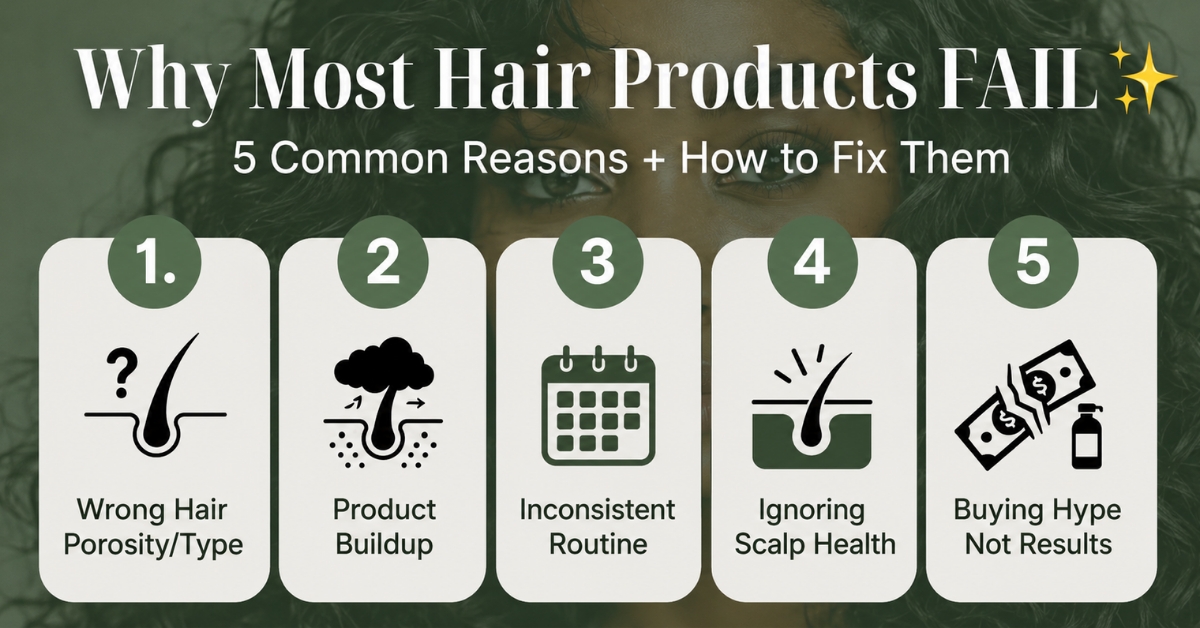
Many people spend hundreds of dollars on premium hair products, yet fail to see lasting results because they lack consistency or use products that don’t match their hair’s needs. The truth is that healthy hair isn’t achieved through a single miracle product—it’s the result of combining effective scalp care, proper cleansing, deep hydration, nutrition, and daily protective habits.
This comprehensive guide explains how to build the perfect hair care routine from the ground up. You’ll discover the essential steps for maintaining healthy hair, choosing the right products, and creating a daily routine that works for your unique hair type.
Why Your Hair Care Routine Matters
Hair is constantly exposed to environmental stressors such as sunlight, pollution, humidity, wind, and heat styling. These factors gradually weaken the hair shaft, making strands more prone to dryness, split ends, and breakage.
An effective hair care routine helps:
- Maintain moisture balance
- Improve scalp health
- Reduce hair breakage
- Encourage healthier-looking hair growth
- Protect against environmental damage
- Enhance shine and softness
- Improve manageability
When performed consistently, even a simple routine can produce remarkable improvements over several months.
Understanding Your Hair Before Building a Routine
Before selecting hair products, you must first understand your hair’s characteristics. No two heads of hair are identical, and using products designed for someone else’s hair type often leads to disappointing results.
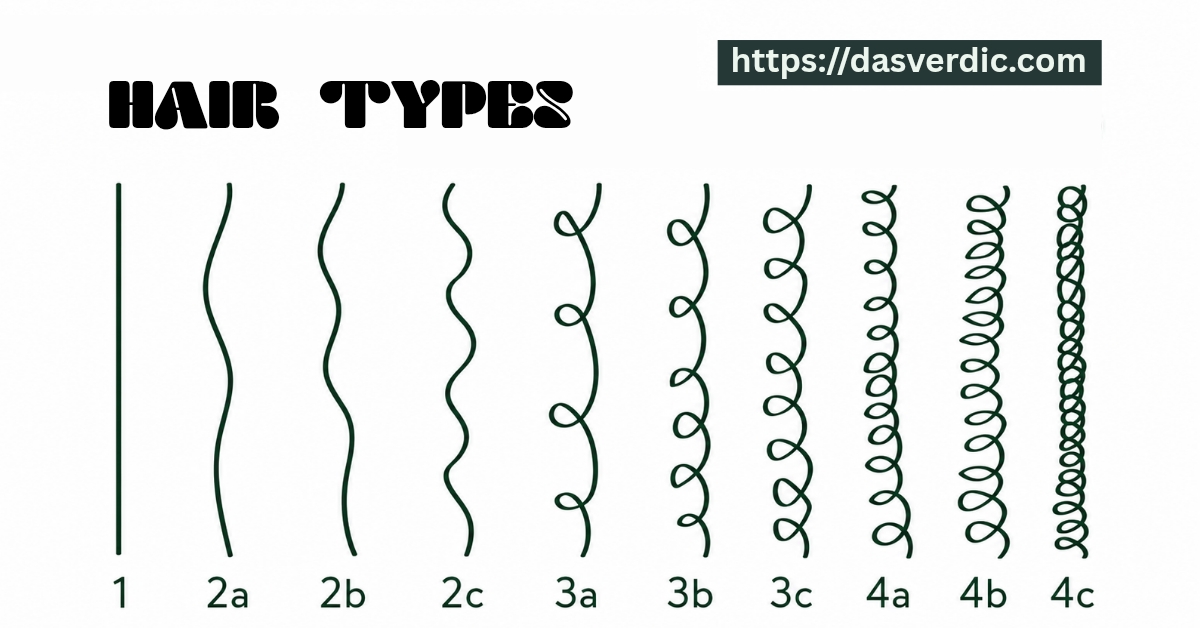
Generally, hair falls into four categories:
- Straight Hair
Straight hair distributes natural oils more easily, making it more susceptible to oiliness but less prone to tangling.
2. Wavy Hair
Wavy hair offers a balance between volume and manageability but can become frizzy without adequate moisture.
3. Curly Hair
Curly hair naturally struggles to retain moisture because oils travel less efficiently along curved strands. This makes hydration essential
4. Coily Hair
Coily hair is often the driest and most fragile hair type. It requires intensive moisturizing, protective styling, and gentle handling to minimize breakage.
Understanding your hair texture allows you to choose the right hair products for optimal results.
Determine Your Hair Porosity
Hair porosity refers to your hair’s ability to absorb and retain moisture.
- Low Porosity Hair
Low porosity hair has tightly packed cuticles that resist moisture penetration. Lightweight products and gentle heat during conditioning often improve absorption.
2. Medium Porosity Hair
This is considered the ideal porosity level. Moisture enters and remains within the hair relatively easily, making maintenance simpler.
3. High Porosity Hair
High porosity hair absorbs moisture quickly but loses it just as fast. Protein treatments and richer conditioners help strengthen and seal the cuticle.
Understanding porosity prevents overloading your hair with unsuitable ingredients.
Step 1: Prioritize Scalp Care
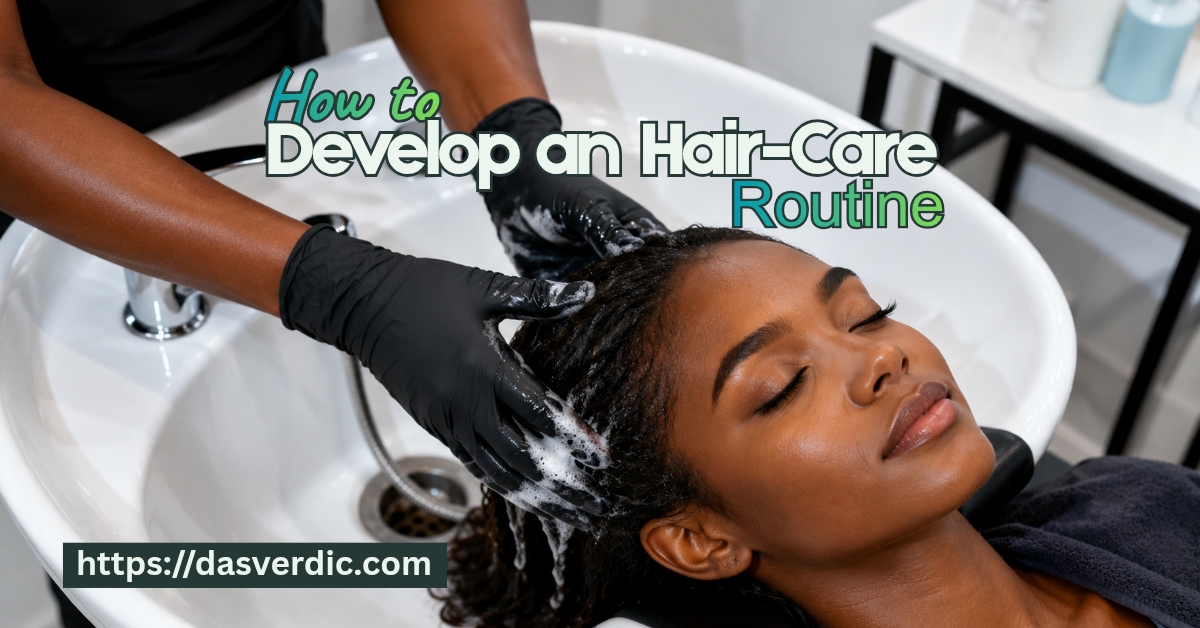
Healthy hair begins with excellent scalp care. The scalp contains thousands of hair follicles responsible for producing new hair. A neglected scalp can become clogged with oil, product buildup, and dead skin cells, limiting the ideal environment for healthy hair growth.
Proper scalp care includes:
- Washing regularly without over-cleansing
- Gently massaging during shampooing
- Removing product buildup
- Keeping inflammation under control
- Maintaining adequate hydration
A clean scalp allows follicles to function more efficiently and creates better conditions for stronger, healthier hair.
Scalp Massage
One of the simplest additions to any hair care routine is regular scalp massage.
Massaging the scalp for five minutes daily may:
- Improve blood circulation
- Relax scalp muscles
- Help distribute natural oils
- Support healthier-looking hair over time
- You can perform scalp massages using your fingertips or a silicone scalp brush.
Step 2: Choose the Right Shampoo
Shampoo forms the foundation of every hair care routine. Its primary role is to cleanse the scalp by removing excess oils, sweat, dirt, and product residue.
However, selecting the wrong shampoo can strip away essential moisture and leave hair dry or brittle.
Choose shampoos based on your hair’s needs:
-Dry Hair
Use moisturizing shampoos containing ingredients like aloe vera, glycerin, oat extracts, or botanical oils.
-Oily Hair
Clarifying shampoos help regulate excess sebum without causing excessive dryness.
-Color-Treated Hair
Look for sulfate-free shampoos that preserve color while cleansing gently.
-Sensitive Scalp
Fragrance-free or dermatologist-tested formulas are often the safest option.
Remember, shampoo is designed primarily for your scalp—not your hair lengths. Focus cleansing at the roots and allow the lather to cleanse the rest of your hair as you rinse.
Step 3: Never Skip Conditioner
Conditioner restores moisture lost during cleansing while smoothing the hair cuticle.
Benefits include:
- Easier detangling
- Less friction
- Reduced breakage
- Enhanced shine
- Softer texture
- Improved elasticity
Apply conditioner mainly to the mid-lengths and ends rather than directly onto the scalp unless the product specifically recommends scalp application.
Allow it to remain on the hair for several minutes before rinsing thoroughly.
Step 4: Deep Condition Weekly
No hair care routine is complete without deep conditioning.
Unlike everyday conditioners, deep conditioning treatments penetrate the hair more thoroughly, helping replenish moisture and strengthen weakened strands.
Deep conditioning is particularly beneficial for:
- Curly hair
- Coily hair
- Chemically treated hair
- Heat-damaged hair
- High-porosity hair
Weekly treatments can significantly improve softness, elasticity, and overall manageability.
Step 5: Add a Leave-In Conditioner
A leave-in conditioner is one of the most effective hair products you can include in your hair care routine. Unlike rinse-out conditioners, leave-in conditioners continue working throughout the day, helping to keep hair hydrated, reduce frizz, and protect against environmental stress.
If your hair tends to become dry or tangled, a quality leave-in conditioner can make a noticeable difference.
Benefits of a leave-in conditioner include:
- Long-lasting moisture
- Easier detangling
- Reduced breakage
- Improved softness
- Better curl definition
- Protection against humidity and dryness
Apply a small amount to damp hair after washing, concentrating on the mid-lengths and ends. Avoid applying too much product, as excessive buildup can weigh the hair down.
Step 6: Seal in Moisture with Hair Oils
Many people assume oils moisturize the hair, but oils actually help lock in moisture that has already been added through water-based products.
Adding a lightweight oil after your leave-in conditioner helps reduce moisture loss while giving the hair a smoother, shinier appearance.
Popular oils include:
- Argan oil
- Jojoba oil
- Sweet almond oil
- Grapeseed oil
- Avocado oil
- Rosemary-infused oil blends
Choose oils based on your hair type. Fine hair generally benefits from lightweight oils, while thicker or coily hair often tolerates richer oils more effectively.
Remember that oils should complement—not replace—a moisturizing hair care routine.
Step 7: Use Heat Protection
Heat styling tools such as blow dryers, flat irons, and curling wands can weaken the hair cuticle when used without protection.
Before applying heat, always use a dedicated heat protectant spray or cream. These hair products create a protective barrier that reduces moisture loss and minimizes damage caused by high temperatures.
Additional tips include:
- Keep styling tools at the lowest effective temperature.
- Avoid repeated passes over the same section.
- Air dry whenever possible.
- Limit heat styling to special occasions or a few times each week.
Protecting your hair from heat helps preserve its strength, elasticity, and shine.
Step 8: Build a Daily Hair Care Routine
Consistency is what transforms individual products into an effective hair care routine. A simple daily routine doesn’t have to be complicated—it just needs to support your hair’s ongoing health.
A practical morning routine might include:
- Check your scalp and hair for dryness.
- Lightly mist the hair with water if needed.
- Apply a leave-in conditioner.
- Seal with a lightweight oil if your hair is dry.
- Style gently without excessive pulling.
During the day:
- Avoid touching your hair constantly.
- Avoid mini twists or mini braids if your hair is fine in texture
- Protect it from excessive sun exposure.
- Minimize friction from rough clothing or accessories.
In the evening:
- Detangle gently using a wide-tooth comb or your fingers.
- Apply a small amount of moisturizer if necessary.
- Cover your hair with a satin bonnet or sleep on a satin pillowcase.
Following a consistent daily routine helps maintain moisture, reduce breakage, and keep hair manageable.
Step 9: Protect Your Hair While Sleeping
Nighttime protection is often overlooked, yet it is one of the easiest ways to improve healthy hair.
Cotton pillowcases absorb moisture and create friction that can lead to frizz, tangles, and breakage.
Instead:
- Use a satin or silk bonnet.
- Sleep on a satin or silk pillowcase.
- Wear protective styles that aren’t too tight.
- Avoid sleeping with soaking wet hair.
These simple habits preserve your hairstyle while reducing unnecessary damage.
Step 10: Trim Split Ends Regularly
Contrary to popular belief, trimming hair does not directly make it grow faster. Hair growth occurs at the scalp, not at the ends.
However, regular trims remove split ends before they travel higher up the hair shaft and cause more extensive breakage.
Most people benefit from trimming every 8 to 12 weeks, though the ideal frequency depends on your hair’s condition and styling habits.
Regular maintenance helps hair appear fuller, healthier, and easier to manage.
Feed Your Hair from Within
Even the best hair products cannot replace good nutrition. Hair is made primarily of protein, and healthy growth depends on receiving adequate nutrients.
Focus on a balanced diet that includes:
- Lean proteins
- Eggs
- Fish
- Nuts
- Seeds
- Leafy green vegetables
- Fruits
- Whole grains
Nutrients commonly associated with normal hair health include:
- Protein
- Iron
- Zinc
- Vitamin D
- Biotin
- Vitamin C
- Vitamin E
- Omega-3 fatty acids
Drinking enough water also supports scalp hydration and overall health.
Choose Hair Products Carefully
With thousands of hair products available, selecting the right ones can feel overwhelming.
When shopping, consider:
- Your hair type
- Scalp condition
- Hair porosity
- Ingredient quality
- Product purpose
Avoid choosing products solely because they are popular on social media. Instead, select products that address your specific needs and fit into your overall hair care routine.
High-quality products often focus on hydration, strengthening, and gentle cleansing rather than making unrealistic promises.
Avoid Common Hair Care Mistakes
Many people unknowingly sabotage their progress through everyday habits.
Some of the most common mistakes include:
- Washing hair with very hot water
- Overwashing the scalp
- Skipping conditioner
- Using excessive heat
- Brushing aggressively
- Applying too many products at once
- Wearing overly tight hairstyles
- Ignoring scalp health
- Neglecting regular trims
Correcting these habits often leads to noticeable improvements within a few weeks.
Adjust Your Hair Care Routine with the Seasons
Your hair care routine should evolve throughout the year.
During winter, colder air and indoor heating can leave hair dry and brittle. Increase moisturizing treatments and reduce excessive shampooing if appropriate.
In warmer months, increased sweating, humidity, UV exposure, and swimming may require more frequent cleansing, added sun protection, and deeper hydration.
Listening to your hair’s changing needs helps maintain healthy hair year-round.
Hair Care Routines for Different Hair Types
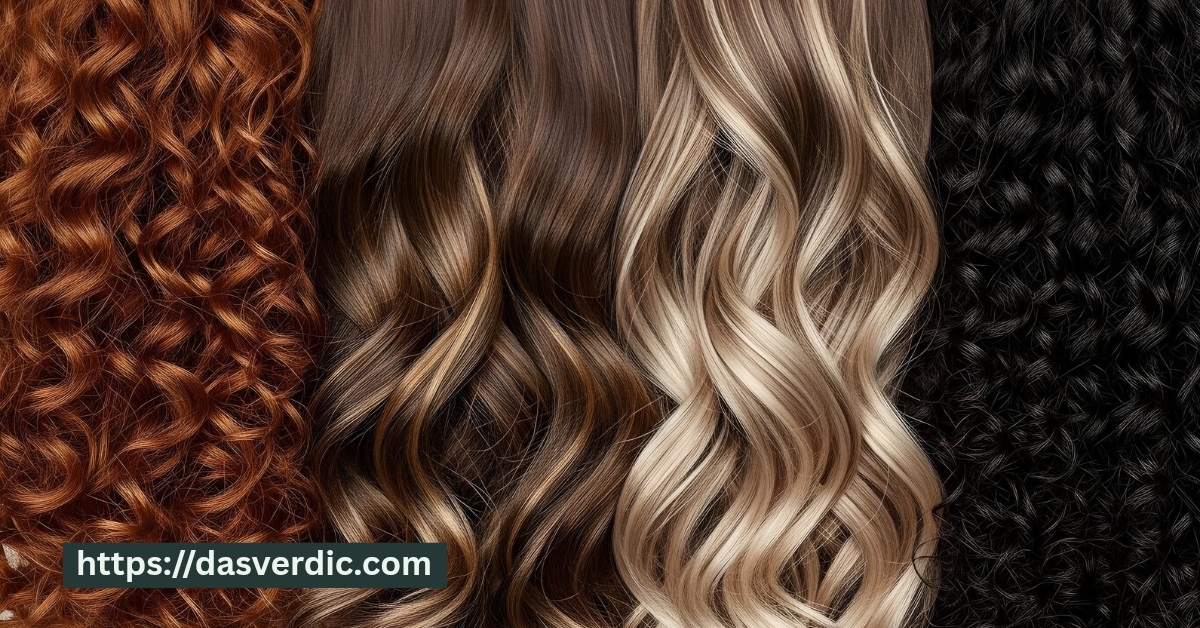
Although the fundamentals remain the same, the ideal hair care routine varies depending on your hair type.
STRAIGHT HAIR
Straight hair often becomes oily more quickly because natural oils travel easily from the scalp to the ends.
Recommended routine:
– Shampoo 2–3 times per week (or as needed)
– Use a lightweight conditioner
– Avoid heavy oils and butters
– Use dry shampoo sparingly between washes
– Clarify monthly to remove buildup
WAVY HAIR
Wavy hair benefits from a balance of moisture and lightweight styling products.
Recommended routine:
– Moisturizing shampoo
– Lightweight conditioner
– Leave-in conditioner
– Curl-enhancing cream or mousse
– Weekly deep conditioning treatment
CURLY HAIR
Curly hair naturally loses moisture faster, making hydration a priority.
Recommended routine:
– Sulfate-free shampoo
– Rich conditioner
– Weekly deep conditioning
– Leave-in conditioner
– Hair oil to seal in moisture
– Protective nighttime routine
COILY HAIR
Coily hair is the most delicate hair type and generally requires intensive moisture and gentle handling.
Recommended routine:
– Gentle cleansing
– Weekly deep conditioning
– Regular moisturizing
– Protective styling
– Satin bonnet or pillowcase
– Minimal heat styling
No matter your hair type, consistency is more important than using dozens of products.
A Sample Weekly Hair Care Routine
Here’s an example of a balanced weekly schedule:
Monday
– Cleanse the scalp with shampoo.
– Apply conditioner.
– Use a leave-in conditioner and lightweight oil.
Tuesday
– Lightly mist hair with water if needed.
– Moisturize dry areas.
– Protect hair before bed.
Wednesday
– Perform a gentle scalp massage.
– Refresh curls or style as needed.
Thursday
– Continue your daily routine.
– Avoid unnecessary heat styling.
Friday
– Apply a nourishing hair mask or deep conditioner.
– Rinse thoroughly and style gently.
Saturday
– Trim or dust split ends if necessary.
– Clarify monthly if product buildup is present.
Sunday
– Protective styling.
– Prepare for the week with hydrated, detangled hair.
This schedule can be adjusted to fit your lifestyle and hair needs.
Frequently Asked Questions
How often should I wash my hair?
The ideal frequency depends on your scalp, hair type, activity level, and product usage. Oily hair may require more frequent washing, while curly or coily hair often benefits from less frequent cleansing paired with regular moisturizing.
Can changing my hair care routine improve hair growth?
A consistent hair care routine supports healthier hair by minimizing breakage, maintaining scalp health, and protecting existing strands. While genetics and overall health influence growth rate, good habits help you retain more of the hair you grow.
Which hair products are essential?
A well-rounded routine usually includes:
– Shampoo
– Conditioner
– Leave-in conditioner
– Deep conditioner
– Heat protectant (if using heat)
– Hair oil
– Scalp treatment (if needed)
You don’t need dozens of products—just products that suit your hair.
Is scalp care really important?
Absolutely. Healthy hair starts with healthy scalp care. Keeping the scalp clean, balanced, and free from excessive buildup creates a better environment for stronger-looking hair.
Final Thoughts
Building the perfect hair care routine doesn’t require expensive treatments or an overflowing bathroom cabinet. It starts with understanding your hair, caring for your scalp, choosing suitable hair products, and following a consistent daily routine.
Prioritize gentle cleansing, regular conditioning, weekly deep treatments, proper scalp care, and protective styling. Small, consistent habits often produce the most noticeable improvements over time.
Remember that healthy hair is a journey, not an overnight transformation. Be patient, stay consistent, and adjust your routine as your hair’s needs change with the seasons, your lifestyle, or your goals.
With the right routine in place, you’ll be well on your way to stronger, shinier, and more resilient healthy hair.