Healthy hair growth is influenced by much more than the products applied to the hair. Hair follicles operate through a natural growth cycle, while the condition of the hair shaft depends heavily on cleansing, conditioning, moisture, grooming practices, styling, heat exposure, chemical processing, nutrition and overall scalp health.
For people with natural, curly, coily or tightly textured hair, protecting the hair shaft is particularly important because repeated mechanical stress can contribute to breakage. Research has identified grooming-related mechanical damage as one factor contributing to breakage in curly and African hair.
This guide explains the 15 essential steps that can help you build a practical hair-care system focused on healthy hair growth, scalp care, length retention and reduced breakage.
Quick Answer: What Are the Most Important Steps for Healthy Hair Growth?
The foundation of healthy hair growth is a consistent routine that supports the scalp and protects the existing hair shaft.
The 15 essential steps are:
- Understand the hair growth cycle.
- Know your hair type and characteristics.
- Build a consistent hair-care routine.
- Cleanse your scalp appropriately.
- Condition and detangle gently.
- Maintain adequate moisture.
- Use hair oils strategically.
- Prioritize breakage prevention and length retention.
- Manage heat and chemical processing.
- Use protective hairstyles without excessive tension.
- Use protein treatments appropriately.
- Support hair health through nutrition and lifestyle.
- Choose hair-care products according to your needs.
- Adapt your routine to natural/4C hair and your environment.
- Recognize when hair loss requires professional evaluation.
A useful distinction is that hair growth occurs at the follicle, while length retention depends on how well the hair you have grown survives without excessive breakage.
At a Glance
Primary topic: Healthy hair growth
Related topics: Hair care, hair-care routine, natural hair care, 4C hair care, scalp health, hair retention, hair breakage
Local context: Nigeria and tropical climates
Core distinction: Hair growth ≠ hair retention ≠ treatment of medical hair loss
Key principle: No single oil, treatment or product is universally suitable for everyone.
Table of Contents
- Understand the Hair Growth Cycle
- Know Your Hair Type and Characteristics
- Build a Consistent Hair-Care Routine
- Cleanse Your Scalp Appropriately
- Condition and Detangle Gently
- Maintain Adequate Moisture
- Use Hair Oils Strategically
- Prioritize Breakage Prevention and Length Retention
- Manage Heat and Chemical Processing
- Use Protective Hairstyles Without Excessive Tension
- Use Protein Treatments Appropriately
- Support Hair Health Through Nutrition and Lifestyle
- Choose Hair-Care Products According to Your Needs
- Adapt Your Routine to Natural and 4C Hair
- Know When Hair Loss Requires Professional Evaluation
1. Understand the Hair Growth Cycle
Healthy hair growth begins inside the follicle.
Human hair continuously moves through phases of growth, regression, rest and shedding. These are commonly described as anagen, catagen, telogen and exogen. Anagen is the active growth phase, catagen is a transitional phase, telogen is a resting phase, and exogen describes the shedding of the hair fibre.
This matters because hair does not grow continuously at the same rate throughout its life.
Several factors can influence the hair cycle, including hormones, inflammation, stress, nutritional deficiencies and some medications.
Growth versus length retention
Someone can have functioning hair follicles but still struggle to gain visible length because the ends of the hair are breaking at approximately the same rate that new length is being produced.
Therefore, a healthy hair-growth strategy should address both:
- Follicular growth: supporting a healthy scalp and addressing underlying causes of hair loss.
- Length retention: reducing unnecessary breakage and protecting the hair shaft.
This distinction is particularly important when evaluating hair oils and growth products. The Dasverdic ebook covers this area in more details and is also available in an audio book format so you can listen while you are busy with other tasks.
2. Know Your Hair Type and Characteristics
Your hair-care routine should be adapted to the characteristics of your hair rather than based solely on trends.
Important characteristics include:
- Curl pattern
- Strand thickness
- Hair density
- Porosity
- Scalp condition
- Chemical-processing history
- Dryness or oiliness
- Breakage tendency
- Current styling practices
The American Academy of Dermatology recommends learning your hair type and selecting products appropriate for its characteristics.
For example, tightly coiled hair may require more attention to moisture, detangling and mechanical protection, while very fine hair may become weighed down by heavy products.
The objective is not to find a universally perfect routine. It is to determine what your own hair responds to best.
3. Build a Consistent Hair-Care Routine
Consistency is more useful than constantly changing products.
A practical routine can contain:
Wash → Condition → Detangle → Moisturize → Style → Protect
Depending on your hair and scalp, you may also incorporate:
- Deep conditioning
- Leave-in conditioning
- Protein treatments
- Scalp treatments
- Hair oils
- Trimming
- Protective styling
A routine should be simple enough to maintain.
For example, someone with natural hair might establish a weekly or biweekly wash routine, while adjusting the frequency according to scalp oiliness, exercise, product buildup and environmental conditions.
The AAD recommends washing according to how dirty or oily the hair and scalp become rather than following one universal schedule.
When trying to be consistent in maintaining your hair routine, you may discover that being part of an active community with similar hair goals as you may help you achieve your hair goals faster which is exactly what the GH squared community is for. You can learn more about it here.
4. Cleanse Your Scalp Appropriately
A healthy scalp-care routine starts with appropriate cleansing.
Shampoo primarily needs to reach the scalp, where sweat, sebum, dead skin cells and styling-product buildup accumulate. The AAD recommends focusing shampoo on the scalp rather than unnecessarily applying it throughout the entire hair length.
Over-cleansing can leave some hair types feeling dry, while inadequate cleansing can contribute to buildup and scalp discomfort.
Your cleansing frequency should therefore depend on factors such as:
- Scalp oil production
- Exercise and sweating
- Product buildup
- Hair texture
- Environmental conditions
- Scalp concerns
The goal is a clean, comfortable scalp without unnecessary manipulation of the hair fibre.
5. Condition and Detangle Gently
Conditioning improves manageability and helps make detangling easier.
The AAD recommends conditioning after washing and notes that conditioner helps moisturize and detangle the hair.
For curly and tightly textured hair, careful detangling is especially important because repeated pulling and mechanical stress can contribute to breakage.
TAYM by Dasverdic is a conditioner formulated for hair conditioning and manageability, making it a natural fit within this stage of a healthy hair-care routine.
Its formulation includes conditioning ingredients such as BTMS-50 and cetyl alcohol alongside ingredients such as aloe and hyaluronic acid.
The important principle is not simply using a particular conditioner, but using one that provides the level of conditioning and manageability your hair requires.
6. Maintain Adequate Moisture
Dry, poorly conditioned hair can be more difficult to manage and may be more vulnerable to mechanical damage.
A moisture-focused routine can include:
- Water-based moisturization
- Leave-in conditioners
- Conditioners
- Deep conditioning
- Humectants
- Appropriate oils or emollients
- Gentle handling
Moisture should not be confused with simply making hair feel greasy.
A well-designed routine balances hydration, conditioning and the appropriate amount of occlusion or lubrication for your hair.
RETAYNE peptide hair mist can fit into a moisture-focused routine as a leave-in hair-care product designed around conditioning and maintaining manageable hair. It heightens the effect of the conditioner used afterwards as it provides the first basic moisture needed to dampen the hair.
For people with dry or textured hair, a leave-in can be particularly useful after washing and conditioning, especially when the objective is to reduce friction during styling.
7. Use Hair Oils Strategically
Hair oils are popular because they can provide lubrication, improve the feel of the hair and help support a protective hair-care routine.
However, “hair growth oil” should not automatically be interpreted as a medical hair-loss treatment.
Different oils have different compositions and properties, and evidence for one botanical preparation cannot automatically be applied to every commercial hair oil.
What about rosemary oil?
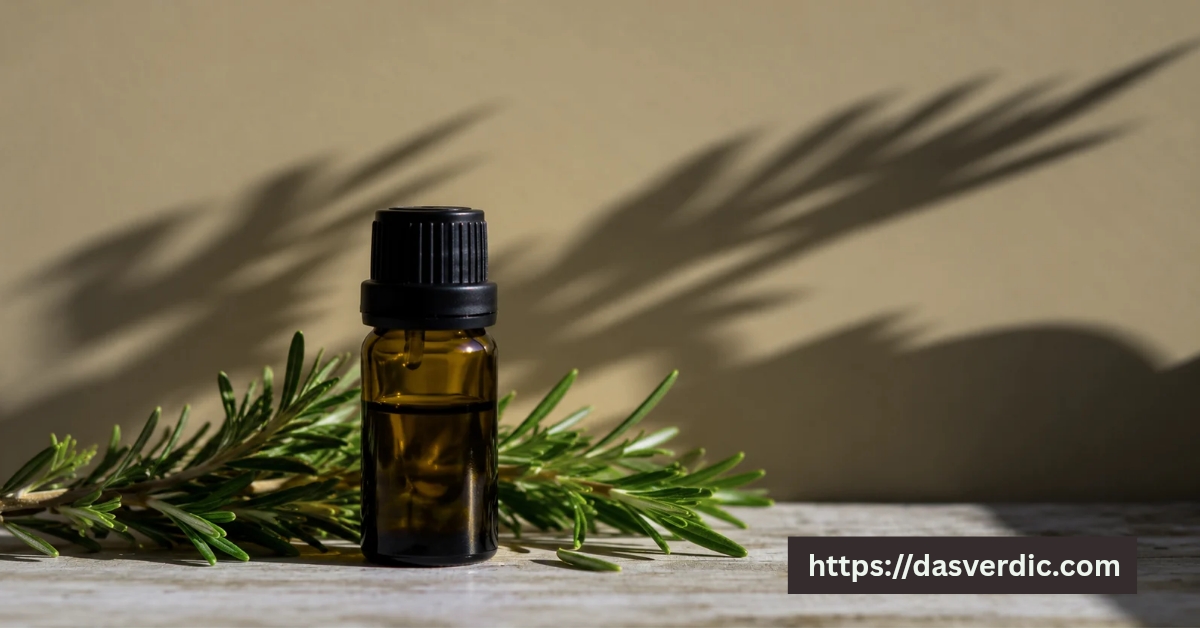
Rosemary is one of the botanical ingredients that has been studied in relation to hair growth.
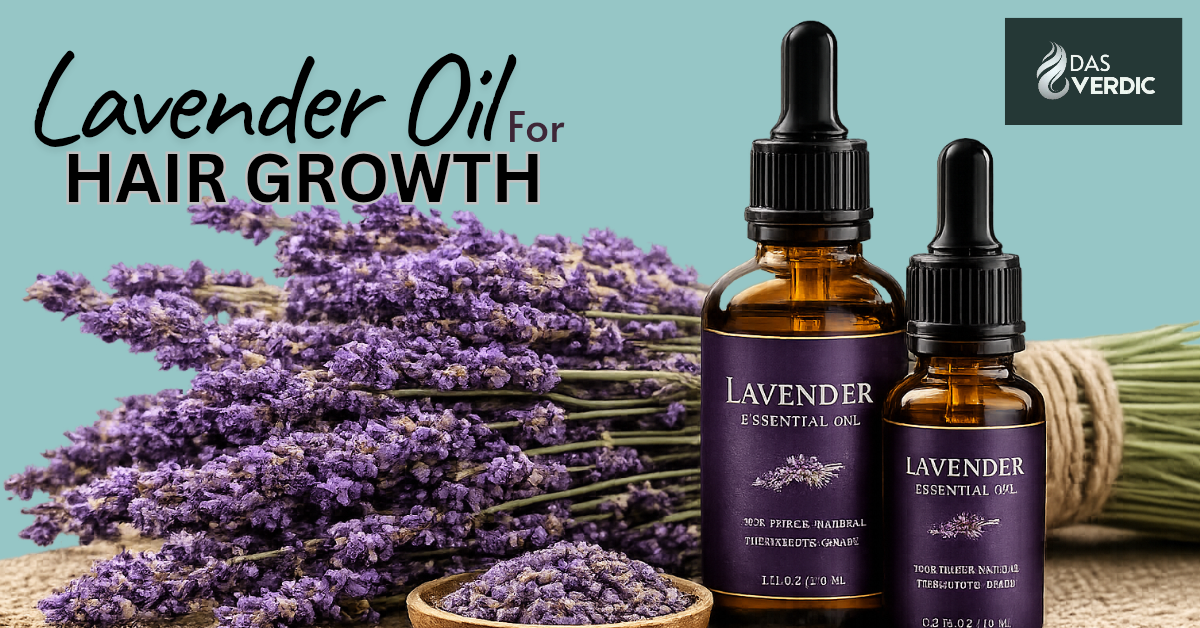
A 2015 randomized comparative trial involving adults with androgenetic alopecia compared rosemary oil with 2% minoxidil over six months. Hair count increased significantly from baseline in both groups at six months, with no significant difference between the groups at that point. The study was specific to androgenetic alopecia and its particular preparation, so it should not be interpreted as proof that every rosemary-containing hair product treats every type of hair loss. However, relying on one single hair oil is usually not the best approach. For example Lavender oil showed promising hair growth results in as little as four weeks while also soothing the scalp where neem oil gave promising anti bacterial results. This is why for the hair oil part of an hair growth routine, we usually recommend a broad botanical approach as is the case with VERDIC.
VERDIC is a Nigerian botanical hair and scalp oil formulated with a broad selection of botanical ingredients and carrier oils, including rosemary and other plant-derived ingredients.
It can be positioned within a healthy hair-care routine as an oil-based scalp and hair-care product, particularly for people who prefer botanical formulations.
Its role should be understood as part of a broader routine rather than as a substitute for diagnosis or treatment when someone is experiencing unexplained hair loss.
8. Prioritize Breakage Prevention and Length Retention
If your goal is longer hair, protecting the hair you already have is essential.
Mechanical stress can accumulate within the hair fibre. Research examining curly and African hair has identified grooming-related stresses such as repeated elongation, torsion and flexion as contributors to fibre damage and breakage.
Useful habits include:
- Detangling gently.
- Working from the ends upward.
- Avoiding unnecessary manipulation.
- Conditioning regularly.
- Reducing excessive heat.
- Avoiding very tight hairstyles.
- Protecting fragile ends.
- Limiting repeated chemical processing.
- Using suitable lubricating and conditioning products.
Using a good conditioner with slip or a slippery detangling lotion/solution then becomes very important especially for coily, curly and kinky hair types.
When protecting hair ends, ENDZ by Dasverdic can be incorporated into an end-focused hair-care routine where the objective is to condition and protect the ends of the hair.
This is particularly relevant because the ends are the oldest portion of the hair fibre and have experienced the greatest cumulative exposure to grooming, weather and styling.
For length retention, protecting the ends can therefore be just as important as focusing on the scalp.
9. Manage Heat and Chemical Processing
Heat styling can make hair easier to manipulate, but excessive heat can damage the hair fibre.
The AAD recommends limiting excessive heat and using lower heat settings when heat styling. Chemical processing can also alter the structure of the hair fibre. If you regularly use:
- Relaxers
- Chemical straighteners
- Bleaching
- Permanent colour
- Frequent high-heat styling
your routine should place greater emphasis on conditioning, gentle handling and monitoring for breakage.
If chemical services are causing scalp irritation, excessive shedding or significant breakage, professional assessment may be appropriate.
10. Use Protective Hairstyles Without Excessive Tension
Protective styling can reduce daily manipulation, but a hairstyle is not automatically protective simply because it is called a “protective style.”
Tight braids, cornrows, ponytails, buns, extensions and other styles that continuously pull on the hair can cause traction alopecia. The AAD specifically warns that repeated tension can eventually result in permanent hair loss.
Signs that a hairstyle may be too tight. Pay attention to:
- Pain
- Stinging
- Scalp irritation
- Broken hairs around the hairline
- Receding edges
- Visible thinning
- Crusting or inflammation
The AAD’s practical advice is straightforward: if a hairstyle hurts, it is too tight. Protective styling should therefore mean reducing unnecessary stress, not simply hiding the hair under a style.
11. Use Protein Treatments Appropriately
Hair is primarily composed of keratin, a structural protein, which is why protein-based treatments are common in hair care.
Protein treatments can be useful when hair has specific conditioning or structural-support needs, particularly when hair has experienced chemical processing or mechanical damage.
However, protein treatments should not automatically be used as frequently as moisturizing treatments. The appropriate balance depends on:
- Hair condition
- Chemical processing
- Porosity
- Breakage
- Product formulation
- Individual response
A very good protein treatment we love to recommend is HY-CO-PRO. It is an organic protein treatment formulated with ingredients including hydrolysed silk protein, fenugreek and green tea extract, rose hydrosol, aloe vera, avocado oil, banana oil, BTMS-50, cetyl alcohol, stearic acid, sodium lactate, vitamin E, chamomile essential oil, vanilla oil, Plantaserv M, hyaluronic acid and colloidal oats.
It fits naturally into the protein-treatment stage of a structured natural-hair routine. The goal is not to use protein constantly, but to introduce a treatment according to the condition and needs of the hair.
12. Support Hair Health Through Nutrition and Lifestyle
Hair follicles are biologically active structures, and nutritional status can influence the hair cycle.
Research on the hair-growth cycle identifies nutritional deficiency, stress and other systemic factors among influences that can affect the transition between growth and resting phases.
A balanced diet should therefore provide adequate:
- Protein
- Iron
- Zinc
- Vitamins
- Essential fatty acids
- Overall calories and nutrients
However, taking supplements indiscriminately is not a substitute for determining whether a deficiency exists.
The AAD cautions that excessive intake of some nutrients can actually worsen hair loss.
If significant shedding develops suddenly or persists, investigate the underlying cause rather than simply adding more supplements.
13. Choose Hair-Care Products According to Your Needs
There is no single product that is universally appropriate for every head of hair.
Instead, build a product system around specific functions:
| HAIR CARE NEED | PRODUCT CATEGORY |
|---|---|
| Scalp cleansing | Shampoo/cleanser |
| Conditioning | Conditioner |
| Moisture | Mists/Leave – in conditioner |
| Detangling | Conditioner/detangler |
| Scalp and hair lubrication | Hair oil |
| Protein support | Protein treatment |
| End care | End-focused conditioning product |
| Styling | Appropriate styling product |
| Scalp concerns | Targeted scalp care product |
This approach prevents the common mistake of expecting one product to solve every hair concern.
Dasverdic as a hair-care system
The Dasverdic range can be viewed according to these different functions:
- VERDIC — botanical hair and scalp oil
- TAYM — conditioner
- RETAYNE — leave-in hair-care product
- HY-CO-PRO — protein treatment
- ENDZ — end-focused hair-care product
- RUTEAN — a coordinated hair-care set bringing selected Dasverdic products together as a routine-oriented system
The purpose of a product range is therefore not necessarily to use everything simultaneously. Each product should have a defined role within an individual’s routine.
14. Adapt Your Routine to Natural and 4C Hair
Natural and 4C hair can benefit from routines that prioritize moisture, conditioning, gentle detangling and reduced manipulation.
This is especially relevant because curly hair can experience substantial mechanical stress during grooming.
A practical 4C hair routine
A simple routine could look like:
- Cleanse
Clean the scalp according to buildup, oil and activity. - Condition
Use a suitable conditioner to improve manageability. - Detangle
Work gently through conditioned hair, preferably in manageable sections. - Moisturize
Apply a suitable leave-in or moisturizing product. - Seal or lubricate where appropriate
Use an appropriate oil or emollient if your hair benefits from it. - Style gently
Avoid excessive tension and repeated manipulation. - Protect the ends
Use appropriate conditioning and styling practices to reduce unnecessary friction.
A natural-hair routine could incorporate TAYM during conditioning, RETAYNE as a leave-in step, VERDIC as an oil-based scalp/hair-care step, HY-CO-PRO periodically as a protein treatment, and ENDZ for focused attention to the ends. It can be just as simple as getting RUTEAN which is a complete hair care set for natural hair routine.
The exact frequency should depend on the individual’s hair rather than a rigid universal schedule.
15. Know When Hair Loss Requires Professional Evaluation
Healthy hair care cannot replace medical evaluation when genuine hair loss is occurring.
Hair loss has many possible causes, and identifying the cause is an important part of determining appropriate management. The AAD recommends professional evaluation for people experiencing hair loss rather than relying exclusively on products marketed for regrowth.
Seek professional assessment when you notice:
- Sudden or excessive shedding
- Noticeable thinning
- Bald patches
- A receding hairline
- Persistent scalp inflammation
- Pain or severe itching
- Scaling or crusting
- Progressive loss despite improved hair care
- Hair loss associated with other unexplained symptoms
This distinction is important for anyone searching for the best hair growth oil. An oil may be a useful part of cosmetic hair care, but persistent hair loss can have causes that require diagnosis and targeted treatment.
Healthy Hair Growth in Nigeria: Environmental and Lifestyle Considerations
Hair care in Nigeria often involves a combination of heat, humidity, sweating, frequent protective styling and diverse hair textures.
Instead of creating a completely separate “Nigerian hair routine,” it is more useful to adapt the fundamentals to local conditions.
In humid conditions
You may need to pay attention to:
- Sweat and scalp buildup
- Product accumulation
- Frizz and swelling of the hair fibre
- How frequently the scalp requires cleansing
During hot weather
Consider:
- Scalp comfort
- Sweating
- Lightweight products when appropriate
- Reduced manipulation
- Hydration and general wellbeing
With protective styles
Monitor the scalp and hairline rather than leaving a style untouched simply because it is intended to protect the hair.
The AAD specifically recommends avoiding repeated tight hairstyles and changing styling practices when tension or early signs of traction occur.
A Simple Healthy Hair Growth Routine
A practical routine does not have to contain dozens of products.
Wash day
Step 1: Cleanse the scalp.
Step 2: Condition the hair.
Step 3: Detangle gently.
Step 4: Apply a suitable leave-in.
Step 5: Apply an oil or other finishing product if appropriate.
Step 6: Style with minimal tension.
Step 7: Protect the ends.
Periodically
Depending on the condition of your hair:
- Deep condition.
- Use a protein treatment when appropriate.
- Assess your ends.
- Review your styling practices.
- Check whether your current products are still suitable.
Daily or between wash days
Focus on:
- Minimizing unnecessary manipulation.
- Protecting the hair at night.
- Monitoring scalp comfort.
- Avoiding excessive tension.
- Maintaining appropriate moisture and lubrication.
Frequently Asked Questions About Healthy Hair Growth
What is healthy hair growth?
Healthy hair growth refers to normal activity of the hair follicles combined with maintaining the integrity of the growing hair fibre. Hair growth occurs at the follicle, while length retention depends partly on preventing excessive breakage.
How can I grow my hair longer?
Focus on both healthy follicular function and length retention. A consistent routine, appropriate cleansing, conditioning, gentle detangling, reduced mechanical stress and careful styling can help minimize preventable breakage.
What is the best oil for healthy hair growth?
There is no universally best hair oil. The appropriate choice depends on the purpose, formulation, scalp condition, hair characteristics and evidence available for the particular ingredient or product.
Rosemary oil has been studied in a randomized trial involving androgenetic alopecia, but that evidence should not be generalized to every rosemary product or every form of hair loss.
Is rosemary oil proven to grow hair?
There is some clinical evidence, including a randomized trial comparing rosemary oil with 2% minoxidil in adults with androgenetic alopecia over six months. However, the evidence is limited to the specific study population and preparation and does not establish rosemary oil as a treatment for every cause of hair loss.
How often should I wash my hair?
There is no universal frequency. The AAD recommends washing according to how dirty or oily the scalp becomes, taking hair type and texture into account.
Is 4C hair harder to grow?
4C hair follicles can grow hair normally, but maintaining visible length can be challenging because tightly curled hair can be more vulnerable to mechanical stress and breakage during grooming.
Can protective hairstyles help hair growth?
Protective styles can reduce daily manipulation, but excessive tension can cause breakage and traction alopecia. A protective hairstyle should therefore minimize stress rather than create it.
Can hair products treat hair loss?
Some products may support cosmetic hair care, conditioning or scalp care, but unexplained hair loss can have many causes. Persistent or significant hair loss should be professionally evaluated rather than managed solely with cosmetic products.
Key Takeaways
Healthy hair growth is a long-term process rather than a single-product solution.
The most important principles are:
- Understand the natural hair-growth cycle.
- Learn your hair’s characteristics.
- Maintain a consistent routine.
- Keep the scalp appropriately clean.
- Condition and detangle gently.
- Maintain appropriate moisture.
- Use oils according to their intended role.
- Protect the hair from unnecessary breakage.
- Limit excessive heat and chemical damage.
- Avoid hairstyles that create persistent tension.
- Use protein treatments appropriately.
- Support overall health through adequate nutrition and lifestyle.
- Select products based on specific needs.
- Adapt your routine to your texture, lifestyle and environment.
- Seek professional evaluation when genuine hair loss occurs.
Conclusion
The foundation of healthy hair growth is not a single miracle ingredient. It is a system.
Healthy follicles need an environment that supports normal growth, while the hair fibre needs appropriate cleansing, conditioning, moisture, gentle handling and protection from excessive mechanical, thermal and chemical damage.
For natural and 4C hair, length retention can be particularly dependent on reducing breakage and unnecessary manipulation. Research on curly and African hair supports the importance of understanding mechanical damage as part of hair-care practice.
Dasverdic’s product range can fit into different parts of this system: VERDIC for botanical oil-based hair and scalp care, TAYM for conditioning, RETAYNE for leave-in care, HY-CO-PRO for protein treatment, and ENDZ for focused end care. RUTEAN brings selected products together as a coordinated hair-care set.
The most effective routine is ultimately the one that matches your hair’s characteristics, lifestyle and specific needs—and that you can follow consistently.
Sources
Dermatology and Hair-Care Guidance
- “American Academy of Dermatology — Tips for Healthy Hair”
- “American Academy of Dermatology — Hair Loss: Tips for Managing”
- “American Academy of Dermatology — Hairstyles That Pull Can Lead to Hair Loss”
- American Academy of Dermatology — Hair Styling Without Damage”
Hair Growth and Hair-Cycle Research
- Integrative and Mechanistic Approach to the Hair Growth Cycle and Hair Loss — PubMed
- Biology of the Hair Follicle: The Basics — PubMed
Hair Breakage Research
- Understanding Breakage in Curly Hair — PubMed
- Hair Breakage in Normal and Weathered Hair: Focus on the Black Patient — PubMed
Rosemary Oil Research
Brand/Product Information
“Dasverdic — Official Website” (https://reference-url-citation.invalid/34)
Discover more from DASVERDIC
Subscribe to get the latest posts sent to your email.