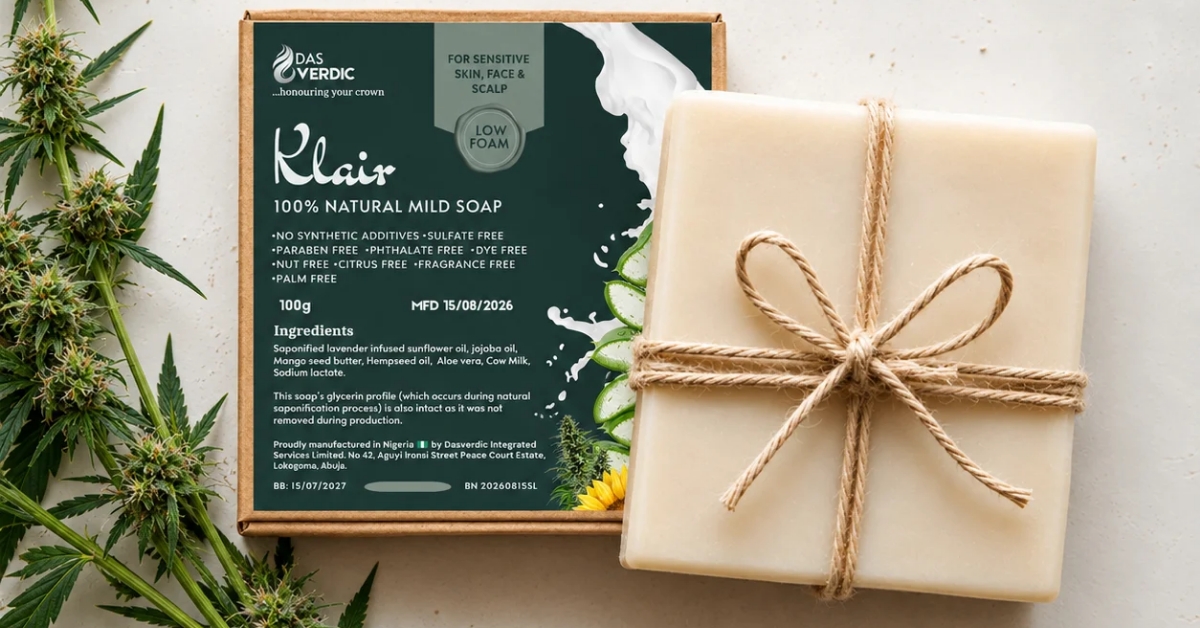
Ever thought it possible to take 20 years to find the best soap for sensitive skin? Well that is my story! I just could not find the right soap for my sensitive skin. Luckily, you don’t have to go through that, i am here to spill all the tea so let’s dive in!
Table of Contents
1. What Is Sensitive Skin?
2. Why Choosing the Right Soap Matters for Sensitive Skin
3. What Should You Look for in Soap for Sensitive Skin?
- – A Simple Ingredient List
- – Gentle Cleansing
- – Moisturizing Ingredients
- – Fragrance-Free or Low-Fragrance Options
- – Avoid Unnecessary Exfoliating Ingredients
4. Ingredients to Be Cautious About When Choosing Sensitive Skin Soap
- – Strong Fragrances
- – Harsh Cleansing Systems
- – Excessive Exfoliants
- – Ingredients You Already Know Trigger You
5. Is Natural Soap Good for Sensitive Skin?
6. Cold Process Soap and Sensitive Skin
7. What Makes a Soap Gentle?
8. Best Soap for Sensitive Skin: What Should You Choose?
- – For Dry and Sensitive Skin
- – For Easily Irritated Skin
- – For Fragrance-Sensitive Skin
- – For People Looking for Plant-Based Ingredients
- – For Babies and Children
9. How to Use Soap for Sensitive Skin Correctly
- – Step 1: Use Lukewarm Water
- – Step 2: Keep Showers Reasonably Short
- – Step 3: Do Not Scrub Aggressively
- – Step 4: Rinse Thoroughly
- – Step 5: Moisturize After Bathing
10. How Often Should You Use Soap on Sensitive Skin?
11. Can Soap Cause Sensitive Skin?
12. Soap for Sensitive Skin vs. Regular Soap
13. What About Nut-Free Soap for Sensitive Skin?
14. What Is Hypoallergenic Soap?
15. How to Test a New Soap for Sensitive Skin
16. Common Mistakes People Make When Choosing Soap for Sensitive Skin
- – Choosing a Product Because It Says “Natural”
- – Assuming More Foam Means Better Cleaning
- – Using Very Hot Water
- – Scrubbing Too Hard
- – Ignoring the Ingredient List
- – Continuing to Use a Product That Irritates You
17. Frequently Asked Questions About Soap for Sensitive Skin
- – What is the best soap for sensitive skin?
- – Is bar soap good for sensitive skin?
- – Is natural soap better for sensitive skin?
- – Is fragrance-free soap better for sensitive skin?
- – Can sensitive skin use cold process soap?
- – What ingredients should I avoid in soap for sensitive skin?
- – Can babies use soap for sensitive skin?
- – How do I know if a soap is too harsh?
18. Final Guide: How to Choose the Right Soap for Sensitive Skin
If your skin often feels tight, dry, itchy, irritated, or uncomfortable after bathing, choosing the right “soap for sensitive skin” can make a significant difference.
Sensitive skin can react to ingredients, fragrances, harsh cleansing agents, excessive exfoliation, or simply washing too frequently. While everyone’s skin is different, a gentle soap should cleanse without unnecessarily stripping the skin of its natural oils.
But with so many products marketed as “natural,” “mild,” “organic,” “hypoallergenic,” or “gentle,” how do you know which soap is actually suitable for sensitive skin?
This complete guide explains what to look for when choosing a gentle soap for sensitive skin, ingredients that may be worth avoiding, how natural soap compares with conventional cleansers, and how to build a simple bathing routine that supports comfortable-looking skin.
What Is Sensitive Skin?
Sensitive skin is a term commonly used to describe skin that is more likely to experience discomfort or visible reactions when exposed to certain products, environmental conditions, or physical factors.
People with sensitive skin tend to have reactive skin types and may notice:
- – Dryness after bathing
- – Tight or uncomfortable skin
- – Itching
- – Stinging or burning sensations
- – Redness
- – Flaking
- – Roughness
- – Irritation after using fragranced products
- – Increased sensitivity to changes in weather
- – Discomfort after using harsh soaps
Sensitive skin is not necessarily the same as having a diagnosed skin condition. Conditions such as eczema, psoriasis, rosacea, and contact dermatitis can also cause irritation and require appropriate medical care.
For everyday cleansing, however, people with easily irritated skin often benefit from simplifying their routine and selecting products formulated with gentle cleansing and moisturizing properties.
Why Choosing the Right Soap Matters for Sensitive Skin
Soap is designed to remove dirt, sweat, excess oil, and other substances from the skin. However, cleansing too aggressively can leave the skin feeling dry and uncomfortable.
The skin has a natural protective barrier made up of lipids, proteins, and other components. This barrier helps reduce water loss and protects the skin from external irritants.
A harsh cleanser may remove more oil from the skin than necessary. For someone with sensitive or dry skin, this can contribute to a tight or uncomfortable feeling after bathing. Some sensitive skin types may also notice itching abd/or irritation after bathing.
This is why choosing a mild soap for sensitive skin is not simply about finding a product that says “gentle” on the packaging. It is about considering the overall formulation and what best suits your skin type.
A good sensitive-skin cleanser should ideally provide effective cleansing without making the skin feel excessively stripped or irritated.
What Should You Look for in Soap for Sensitive Skin?
Before you go on soap shopping, it is best to have thoroughly observed your skin. That is the part that took me 20 years. My breakthrough came when I realised that I actually had a nut allergy.
I never knew because I never had serious reactions to nuts when I eat them but apparently my skin disliked it and when I started using certain nut free soaps, my skin fell in love!
Once you taken time to understand your skin, the next step would be soap shopping for your skin type.
When shopping for soap for sensitive skin, pay attention to the entire ingredient list rather than relying only on marketing claims.
Here are some characteristics worth considering.
1. A Simple Ingredient List
A shorter, thoughtfully designed ingredient list can make it easier to identify potential triggers.
This does not automatically mean that every short ingredient list is better, or that every long ingredient list is bad. What matters is whether the ingredients serve a useful purpose and are appropriate for the intended skin type.
If your skin is reactive, choosing a straightforward formula can also make troubleshooting easier if irritation occurs.
2. Gentle Cleansing
A cleanser should remove sweat, dirt, and excess oils without leaving the skin feeling extremely tight.
The word “soap” can refer to different types of cleansing products. Traditional soap is made through saponification, while many modern facial and body cleansers use synthetic surfactants or make syndet bars with hybrid ingredients.
The cleansing strength depends on the formulation, not simply whether a product is marketed as natural or synthetic.
3. Moisturizing Ingredients
People with sensitive or dry skin may prefer a cleanser containing ingredients that help support a comfortable skin feel.
Depending on the formulation, these can include milk, plant oils, butters, glycerin, aloe vera, or other skin-conditioning ingredients.
For example, a handmade soap formulated with nourishing plant butters and oils can provide a different skin feel from a highly degreasing cleanser.
4. Fragrance-Free or Low-Fragrance Options
Fragrance is one of the first things worth considering if your skin is easily irritated.
A beautifully scented soap may smell wonderful, but fragrance does not provide a cleansing benefit.
If fragrance frequently causes discomfort for you, consider choosing a fragrance-free soap for sensitive skin or a product specifically formulated without added perfume.
Essential oils are also fragrant materials. “Natural fragrance” does not automatically mean “non-irritating.”
5. Avoid Unnecessary Exfoliating Ingredients
Physical exfoliants such as rough particles can be too aggressive for easily irritated skin when used frequently.
If your skin is sensitive, a very simple cleansing bar may be preferable to a soap containing coarse scrubbing particles.
Sensitive skin generally does not need aggressive daily scrubbing to be clean.
Ingredients to Be Cautious About When Choosing Sensitive Skin Soap
There is no universal list of ingredients that every person with sensitive skin must avoid. Reactions are highly individual.
However, some categories deserve closer consideration.
Strong Fragrances
Fragrance mixtures can contain numerous aromatic substances. Some people tolerate them well, while others experience irritation or allergic reactions.
If you know fragrance bothers your skin, choosing a fragrance-free option is a logical starting point.
Harsh Cleansing Systems
Some cleansing products can leave certain people feeling excessively dry or tight.
Rather than judging a cleanser by a single ingredient, consider the complete formulation, how frequently you use it, and how your skin responds afterward.
Excessive Exfoliants
Scrubbing ingredients may make skin feel temporarily smoother, but aggressive or frequent exfoliation can be counterproductive for sensitive skin.
A gentle cleanser usually does not need to feel abrasive.
Ingredients You Already Know Trigger You
Yes, certain plant oils like palm oil, coconut oil, palm kernel oil can cause triggers too. I mean I once reacted to a soap made with saponified olive oil which is why again, observing and understanding your skin type is very crucial.
This is perhaps the most important rule.
If you have previously reacted to a particular ingredient, check every new product’s ingredient list carefully.
Keep a record of products that have caused reactions. This can make choosing future skincare products much easier.
Is Natural Soap Good for Sensitive Skin?
The answer is: it can be, depending on the formulation and your individual skin.
The word “natural” does not automatically mean a product is suitable for sensitive skin.
For example, natural essential oils can still cause irritation or sensitization in some people. Likewise, a natural soap can be formulated in a way that feels too cleansing for someone with very dry or reactive skin.
When evaluating natural soap for sensitive skin, look beyond the word “natural.”
Ask:
- – What oils and butters are used?
- – Is fragrance added?
- – Does it contain essential oils?
- – Is it exfoliating?
- – How does your skin feel after washing?
- – Is the formula designed for gentle cleansing?
- – Does the manufacturer clearly disclose the ingredients?
The formulation matters more than the marketing label. If you happen to have a nut allergy, in addition to the list above, you also want to ensure the manufacturer does not handle nut derived ingredients so that cross contamination does not occur.
Cold Process Soap and Sensitive Skin
Cold process soap is traditionally made by combining oils or fats with an alkali through a chemical process called saponification.
The finished soap contains primarily soap molecules created from the oils and alkali. Properly formulated cold process soap does not contain the original sodium hydroxide as an active ingredient; it is consumed during saponification.
However, traditional soap is naturally alkaline.
Some people with sensitive or very dry skin may find traditional soap comfortable (especially if it as conditioning and soothing ingredients), while others may prefer a syndet or other cleanser designed to more closely match the skin’s natural acidic environment which typically sits around 4.5 to 5.5 on the PH scale.
Therefore, cold process soap for sensitive skin should be evaluated individually rather than automatically assumed to be suitable for everyone.
What Makes a Soap Gentle?
A gentle soap is not defined by one magical ingredient.
Instead, gentleness comes from the overall formulation and how it interacts with your skin.
A thoughtfully formulated gentle soap may combine:
- – Mild cleansing
- – Appropriate oils and butters
- – A comfortable skin feel
- – Limited unnecessary additives
- – Appropriate fragrance choices
- – Proper formulation and curing
- – Good manufacturing practices
For people with sensitive skin, the best soap is often the one that cleanses effectively while leaving the skin feeling comfortable rather than tight, itchy, or excessively dry. This is especially why I love KLAIR MILD NATURAL SOAP. It ticks all those boxes and is safe for people who:
- React to nuts
- React to Coconut and its derivatives
- React to citrus derived ingredients
- React to fragrances.
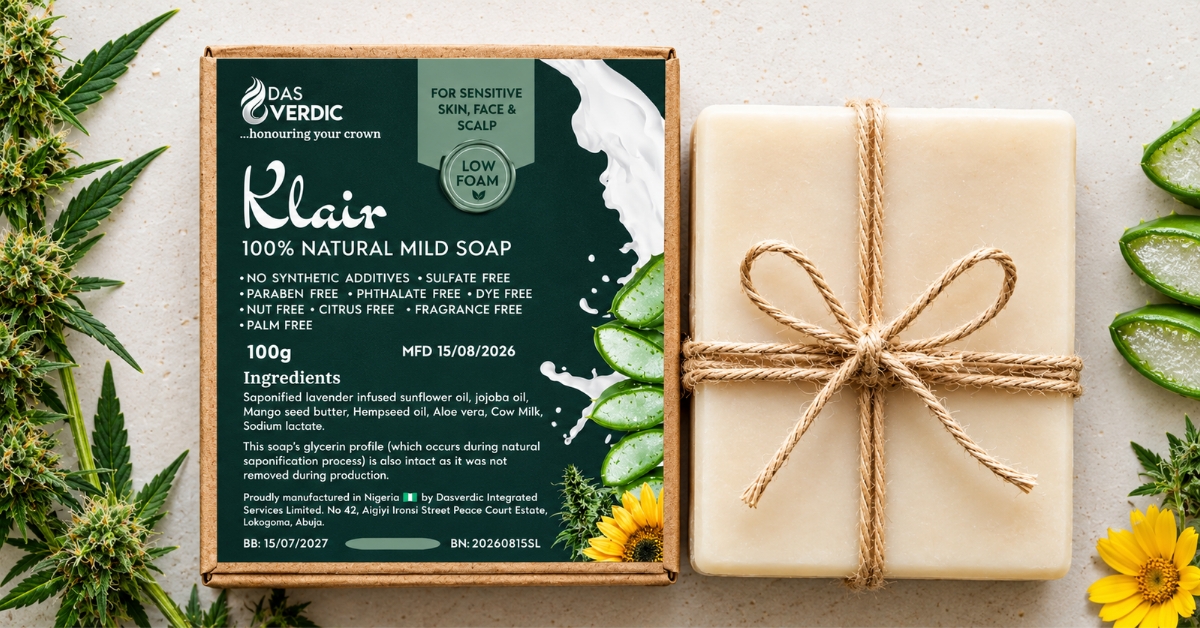
The ingredient profile of Klair is so simple but yet so powerful as it also contains soothing ingredients like milk and Aloe vera. After 20 years of constantly reacting to soaps, It is the only soap I do not react to! You can try it by clicking on the picture above.
Best Soap for Sensitive Skin: What Should You Choose?
There is no single “best soap for sensitive skin” for everyone.
The right choice depends on your skin’s characteristics and known triggers.
For Dry and Sensitive Skin
Look for a cleansing product that does not leave your skin feeling stripped.
A formula containing moisturizing or conditioning ingredients may provide a more comfortable experience.
For Easily Irritated Skin
Consider simplifying your routine.
A fragrance-free or low-fragrance cleanser with a relatively straightforward ingredient list may be a good starting point.
For Fragrance-Sensitive Skin
Look specifically for fragrance-free soap rather than assuming that “natural fragrance” or essential oils are automatically gentle.
For People Looking for Plant-Based Ingredients
Plant oils and butters can be useful components of cleansing formulations.
However as stated earlier, botanical ingredients can still cause reactions in some individuals, so always review the full ingredient list.
For Babies and Children
Children’s skin can be particularly delicate. Choose products specifically formulated for their age group and avoid unnecessary fragrance or harsh cleansing.
If a child has persistent rashes, eczema, or significant irritation, speak with a pediatrician or dermatologist rather than relying solely on changing soaps.
How to Use Soap for Sensitive Skin Correctly
Even a gentle cleanser can feel irritating if it is used excessively or aggressively.
Follow these simple steps:
Step 1: Use Lukewarm Water
Very hot water can contribute to dryness and discomfort.
Lukewarm water is generally a better choice for sensitive or dry skin.
Step 2: Keep Showers Reasonably Short
Long, hot showers can increase dryness.
A shorter shower can help reduce unnecessary exposure to hot water and repeated cleansing.
Step 3: Do Not Scrub Aggressively
You do not need to vigorously scrub your skin to get clean.
Use your hands or a soft washcloth and cleanse gently.
Step 4: Rinse Thoroughly
Make sure cleanser is adequately rinsed from the skin.
Step 5: Moisturize After Bathing
If your skin tends to become dry, applying a suitable moisturizer shortly after bathing can help support skin comfort.
How Often Should You Use Soap on Sensitive Skin?
How frequently you need cleanser depends on your lifestyle, climate, activity level, and individual skin.
Areas that accumulate sweat, oil, and odor may need regular cleansing. Other areas may not require aggressive washing with soap every time you shower.
If frequent full-body cleansing leaves your skin dry or uncomfortable, consider discussing your routine with a dermatologist.
The goal is effective hygiene without unnecessary irritation.
Can Soap Cause Sensitive Skin?
Soap does not necessarily “cause” sensitive skin, but a cleanser can contribute to dryness or irritation in susceptible individuals.
If you consistently experience burning, itching, redness, or excessive dryness after using a particular product, stop using it and consider whether one or more ingredients may be contributing to the reaction.
Repeated reactions should not simply be ignored.
A dermatologist can help determine whether you have sensitive skin, contact dermatitis, eczema, or another condition.
Soap for Sensitive Skin vs. Regular Soap
The difference is usually in the formulation composition, processes and intended use rather than the appearance of the bar.
A soap marketed specifically for sensitive skin may be formulated with fewer potential irritants, less fragrance, and ingredients intended to provide a gentler cleansing experience.
However, product claims are not a substitute for reading the ingredient list.
When comparing products, consider:
| FEATURE | SENSITIVE-SKIN SOAP | CONVENTIONAL/HIGHLY FRAGRANCED SOAP |
|---|---|---|
| FRAGRANCE | Often fragrance free or lower fragrance | May contain stronger fragrance |
| CLEANSING | Designed for a gentler experience | Can vary significantly |
| EXFOLIATION | Usually minimal | May contain scrubbing particles |
| INGREDIENTS | Often selected with sensitivity in mind | Varies by product |
| SUITABLE FOR REACTIVE SKIN | Potentially, depending on formulation | May be less suitable for some people |
Remember that these are general tendencies rather than rules. Individual formulations can vary considerably.
What About Nut-Free Soap for Sensitive Skin?
If you have a known nut allergy or are specifically looking for nut-free soap, ingredient transparency becomes particularly important.
Not every plant-based oil or butter is a tree nut, and cosmetic ingredient classification can be complicated. If avoiding nuts is important to you, do not rely solely on the product name.
Instead:
1. Read the complete ingredient list.
2. Check the manufacturer’s allergen information.
3. Ask the manufacturer about their raw materials and manufacturing environment.
4. Explain the severity of your allergy if contacting the manufacturer.
5. Follow medical advice for known allergies.
A nut-free soap for sensitive skin may be attractive to consumers who want to avoid particular nut-derived ingredients, but “natural” and “nut-free” are not interchangeable terms.
What Is Hypoallergenic Soap?
“Hypoallergenic” generally means a product is formulated to have a lower likelihood of causing allergic reactions, but the term should not be interpreted as a guarantee that no one will react.
There is no product that can guarantee zero allergic reactions for every individual.
If your skin is highly reactive, focus on the complete ingredient list and your personal history rather than relying solely on the word “hypoallergenic.”
How to Test a New Soap for Sensitive Skin
If you are introducing a new product, take a cautious approach.
Try the product on a small area first rather than immediately using it over your entire body.
Pay attention to symptoms such as:
- – Burning
- – Itching
- – Redness
- – Swelling
- – Rash
- – Persistent dryness
- – Stinging
If a significant reaction occurs, discontinue use.
For people with known allergies, particularly severe allergies, product testing should be approached according to advice from a healthcare professional.
Common Mistakes People Make When Choosing Soap for Sensitive Skin
Mistake 1: Choosing a Product Because It Says “Natural”
Natural does not automatically mean gentle.
Mistake 2: Assuming More Foam Means Better Cleaning
A highly foaming cleanser is not necessarily more effective or healthier for sensitive skin.
Mistake 3: Using Very Hot Water
Hot water can worsen dryness and discomfort.
Mistake 4: Scrubbing Too Hard
Aggressive physical exfoliation can irritate already sensitive skin.
Mistake 5: Ignoring the Ingredient List
The front label tells you what the manufacturer wants you to notice. The ingredient list tells you what is actually in the product.
Mistake 6: Continuing to Use a Product That Irritates You.
If a product repeatedly causes discomfort, do not assume your skin simply needs to “get used to it.”
Find out what is causing the problem.
Frequently Asked Questions About Soap for Sensitive Skin
What is the best soap for sensitive skin?
The best soap for sensitive skin depends on the individual. Look for a thoughtfully formulated cleanser with gentle cleansing properties and ingredients that you know your skin tolerates. If fragrance causes irritation, consider a fragrance-free option.
Is bar soap good for sensitive skin?
Bar soap can be suitable for some people with sensitive skin, but not every bar is formulated the same way. Consider the cleansing system, fragrance, ingredients, and how your skin feels after use.
Is natural soap better for sensitive skin?
Not necessarily. Natural soap can be gentle, but natural ingredients can also irritate some people. Evaluate the complete formulation rather than relying solely on the word “natural.”
Is fragrance-free soap better for sensitive skin?
If fragrance is a personal trigger, fragrance-free soap may be a better choice. However, fragrance is only one potential source of irritation.
Can sensitive skin use cold process soap?
Some people with sensitive skin tolerate cold process soap well, while others may find traditional soap too drying or irritating. Individual tolerance varies.
What ingredients should I avoid in soap for sensitive skin?
There is no universal list that everyone must avoid. However, if you know that fragrance, certain essential oils, exfoliants, or specific ingredients trigger your skin, avoid those ingredients and choose a simpler formulation.
Can babies use soap for sensitive skin?
Babies require particularly gentle products. Choose products formulated for babies and avoid unnecessary fragrance. Persistent skin problems should be assessed by a healthcare professional.
How do I know if a soap is too harsh?
If your skin consistently feels tight, excessively dry, itchy, burning, or irritated after washing, the product may not be suitable for you. Consider stopping it and switching to a gentler cleansing routine.
Final Guide: How to Choose the Right Soap for Sensitive Skin
Choosing the right soap for sensitive skin does not have to be complicated.
Start by understanding your skin and identifying ingredients that have caused problems in the past. Then look for a cleanser with a thoughtfully designed formula, appropriate cleansing strength, and minimal unnecessary irritants.
For many people with sensitive skin, useful characteristics include:
- – A simple, transparent ingredient list
- – Gentle cleansing
- – Minimal or no added fragrance
- – No unnecessary harsh exfoliation
- – Skin-conditioning ingredients where appropriate
- – Proper formulation and manufacturing
- – Clear labeling
- – Good personal tolerance
Most importantly, remember that “natural,” “organic,” “hypoallergenic,” and “gentle” are not guarantees that a product will work for every person.
Your skin’s response matters.
If a soap leaves your skin clean and comfortable, that is a much more meaningful sign of suitability than how much it lathers, how strongly it smells, or how attractive the marketing claims are.
For people searching for gentle soap for sensitive skin, the best approach is simple: read the ingredients, avoid known triggers, cleanse gently, moisturize when needed, and pay attention to how your skin responds.
When persistent irritation, rash, swelling, severe itching, or other concerning symptoms occur, consult a dermatologist or other qualified healthcare professional rather than trying to solve the problem through soap selection alone.